


Think you’re being productive by answering emails from bed while you are sick with a cold or flu? Your body might have a very different view.
There was once a fairly simple rule when you were sick: stay home, get into bed and rest until you felt better. Today, that rule has become much harder to follow.
With laptops on our kitchen tables, smartphones in our hands and virtual meetings just a click away, being physically absent from the office no longer necessarily means being disconnected from work. Even when we’re coughing, congested and running on little energy, many of us still feel the pressure to respond to emails, attend meetings and meet deadlines. But is “pushing through” really a sign of dedication or could it be making us sicker for longer?
The problem with presenteeism
The term “presenteeism” refers to working while unwell, even when taking time off would be more appropriate. While it can feel responsible to keep working, especially when deadlines are looming, being sick can significantly affect concentration, decision-making and overall productivity.
“When your body is fighting a virus, it’s already working overtime. Continuing to push through deadlines can place additional strain on your system and potentially prolong recovery,” explains Lindie Pretorius, Brand Manager for Linctagon. In other words, being online doesn’t necessarily mean being productive.
You may spend several hours staring at your screen, only to discover that a task that normally takes 30 minutes has taken twice as long. Mistakes become easier to make, concentration becomes harder to maintain and the mental effort of simply keeping up can leave you feeling even more exhausted. And then there’s the possibility of returning to work before you’ve properly recovered, only to find yourself dealing with lingering symptoms.
Rest isn’t being lazy
For many professionals, the hardest part of being sick isn’t necessarily the physical symptoms, it’s giving themselves permission to stop.
There can be guilt around taking sick leave. You might worry about your workload piling up, colleagues having to cover for you or your manager thinking you’re not committed enough. But recovery isn’t wasted time.
“Many people worry about falling behind or inconveniencing colleagues, but taking the time you need to recover is often the most productive decision in the long run,” says Pretorius.
Think of it as pressing pause rather than quitting the game. A few days of genuine rest could help you return with more energy, concentration and clarity than you would have had if you’d spent those days struggling through your workload.
How to actually recover when you’re sick
If you’ve come down with a cold or flu, these simple habits can help you make your recovery time count:
1. Disconnect from work.
If you’ve taken sick leave, give yourself permission to actually be sick. Turn off work notifications, step away from your laptop and avoid checking emails unless something genuinely requires your attention.
2. Set boundaries.
Let your colleagues or clients know that you’re unavailable while you recover. You don’t need to provide constant updates from your sickbed.
3. Prioritise sleep and rest.
Your body needs energy to recover. Listen to its signals and give yourself permission to slow down.
4. Keep hydrated.
Drink water regularly and consider warm fluids such as herbal tea or soup, particularly when congestion or fever is leaving you feeling depleted.
5. Eat nourishing meals.
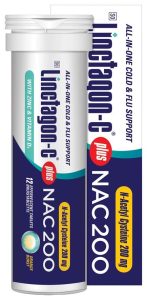
You don’t need elaborate meals when you’re feeling under the weather. Choose simple, nutritious foods that provide energy and essential nutrients. Alongside rest, hydration and good nutrition, also try Linctagon C Plus NAC 200, an all-in-one cold and flu support containing Vitamin C, Zinc, Vitamin D3 and NAC.
6. Don’t turn sick leave into chore leave.
Being too sick to work doesn’t mean you suddenly have the energy to clean the entire house, run errands or tackle your neglected to-do list. Rest means rest.
7. Give your eyes and mind a break.
Constant scrolling, streaming and checking work messages can be surprisingly draining. Build periods of quiet, screen-free rest into your day.
8. Follow medical advice.
If you’ve been advised to take medication or rest for a particular period, follow that guidance and don’t rush back into your normal routine.
9. Ease back into work.
When you’re feeling better, resist the urge to immediately tackle everything you’ve missed. Start with your most important tasks and gradually rebuild your workload.
10. Think beyond today’s deadline.
Your goal isn’t simply to survive the workday. It’s to recover properly so you can return with the energy, focus and mental clarity to do your job well.
Maybe the most productive thing you can do is nothing
We’re often encouraged to celebrate the hustle: answering emails late at night, working through weekends and showing up regardless of how we’re feeling. But there are moments when productivity means doing the opposite. When your body is fighting off an illness, taking a genuine break isn’t a failure of commitment. It’s an investment in getting back to your best.
So, the next time you’re tempted to power through a cold or flu while answering emails from underneath the duvet, consider giving yourself permission to log off.
Read More: Why Is Everyone So Tired Already? Experts Explain the Mid-Year Energy Slump