

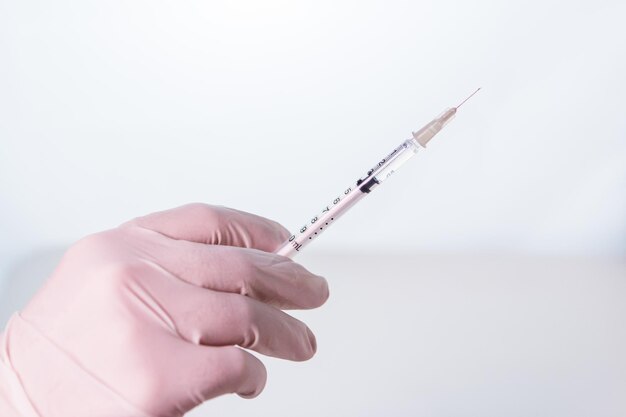
The peptide craze is still going strong, having taken the fitness, health and beauty industries by storm. While social media has driven peptide popularity, it has also spread misinformation, leaving people with more questions than answers. Dr Judey Pretorius, a leading Biomedical Scientist, unpacks peptides in the article below, covering the most common questions about injectable peptides, oral peptide supplements, and peptide skincare.
What are peptides?
Peptides are short chains of amino acids (organic compounds that combine to form proteins). They occur naturally in the body and help the body perform many of its vital functions by acting as biological messengers.
This means they instruct cells to perform functions such as regulating hormones, reducing inflammation and repairing tissue. The body produces and relies on hundreds of different peptides to function. Some of the most well-known peptides include insulin, oxytocin and collagen.
If our bodies already produce peptides, why would we need to supplement?
While our bodies produce their own supply of peptides, this production naturally decreases as we age. Supplementing with peptides can act as a catalyst to boost or restore certain functions. By using targeted peptides, you can provide the body with additional resources to trigger specific outcomes, such as boosting metabolism or deepening sleep cycles.
In skincare, peptides play a vital role in slowing down the ageing process by signalling skin cells to produce more collagen, relaxing facial muscles and strengthening the skin barrier.
Do all peptide products contain synthetic peptides?
Many therapeutic medications and skincare formulas rely on synthetic (lab-created) peptides, but sometimes natural peptide products are sourced from food or biological sources.
Lab-created peptides are designed to mimic naturally occurring hormones or cellular signals. They are common in medications and skincare products. Bioactive peptides (natural peptides) can be extracted from plant proteins or other food sources and are typically found in dietary supplements and functional foods.
Biomedical Emporium Peptide Therapy repairs tissue and improves elasticity while providing the skin with long-term hydration. With peptides, urea, vitamin E, and niacinamide, this moisturiser also offers advanced skin calming, skin densification, and repairs and maintains skin barrier function.
Is there anyone who should not be taking peptides, and are there any risks?
When considering taking oral or injectable peptides, it is very important to consult with your healthcare practitioner.
Peptides are generally safe when they are approved medications administered by a medical practitioner. Synthetic peptides prescribed by a doctor have undergone rigorous clinical trials, and under your doctor’s supervision, they can offer many health and wellness benefits.
However, the market is flooded with unregulated black-market peptides. These products lack quality control and may contain dangerous contaminants. Don’t ever source and inject your own peptides without your doctor’s prescription or guidance.
Peptides are not recommended for pregnant or breastfeeding women. They are generally not recommended in cancer patients, patients with a history of tumours, kidney or liver disease, or minors under the age of 18.
Are peptides really worth the hype?
In health, fitness, wellness, and skincare, peptides can offer ground-breaking benefits. When you invest in quality, science-backed peptide skincare, your skin will experience a difference. The same goes for injectable and oral supplement peptides under the supervision of your doctor: approved peptide products administered specifically for your needs can have major health benefits and improve quality of life.
When it comes to skincare, do your research or ask a trusted skincare expert about a product before parting with your money.
Read More: Same Struggle, New Name: PCOS Rebrands To Is PMOS And The Reason Why