

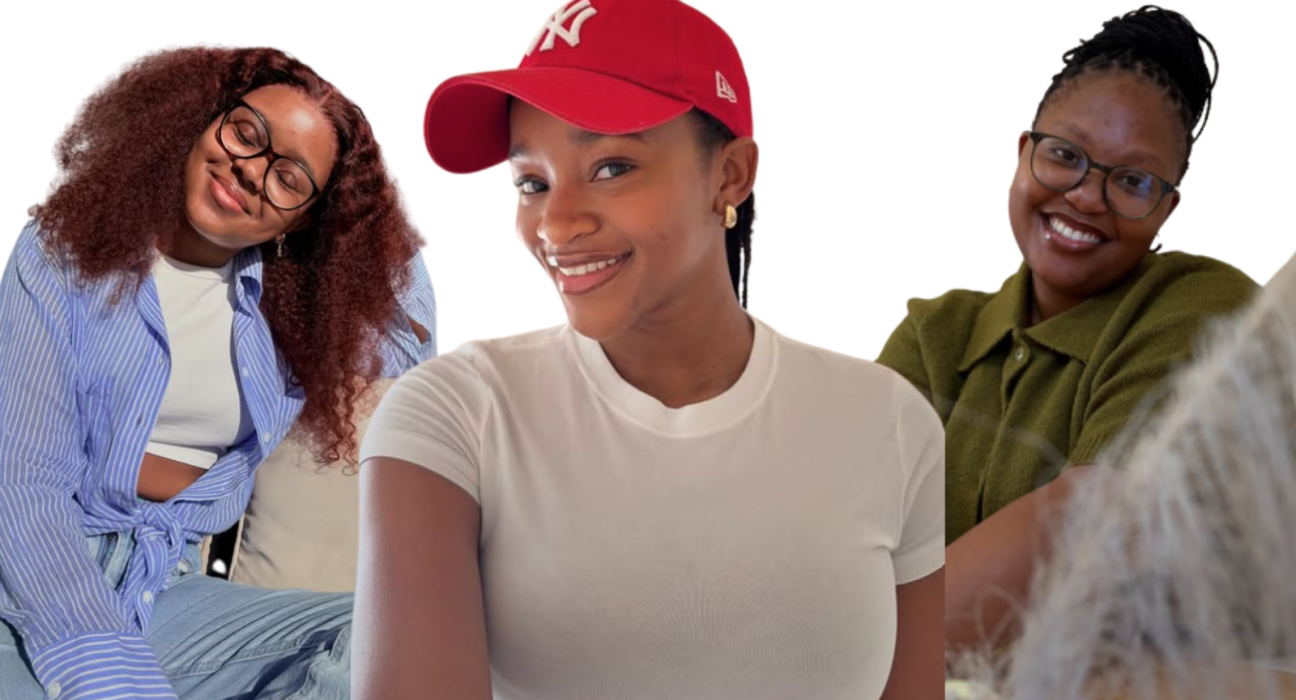
Women’s Month in South Africa is rooted in 1956, when thousands of women marched against pass laws. But what does that legacy mean to young women today?
To find out, we spoke to three young South Africans women under 30-years working in fields that are male dominated. Each building a career, a business, and a name for themself in industries where women are still underrepresented. They share what empowerment looks like in 2026, the biggest lessons they’ve learned, and the advice they have for the next generation of women who are still marching in different ways.
What Does Women Empowerment Mean To You, Personally?
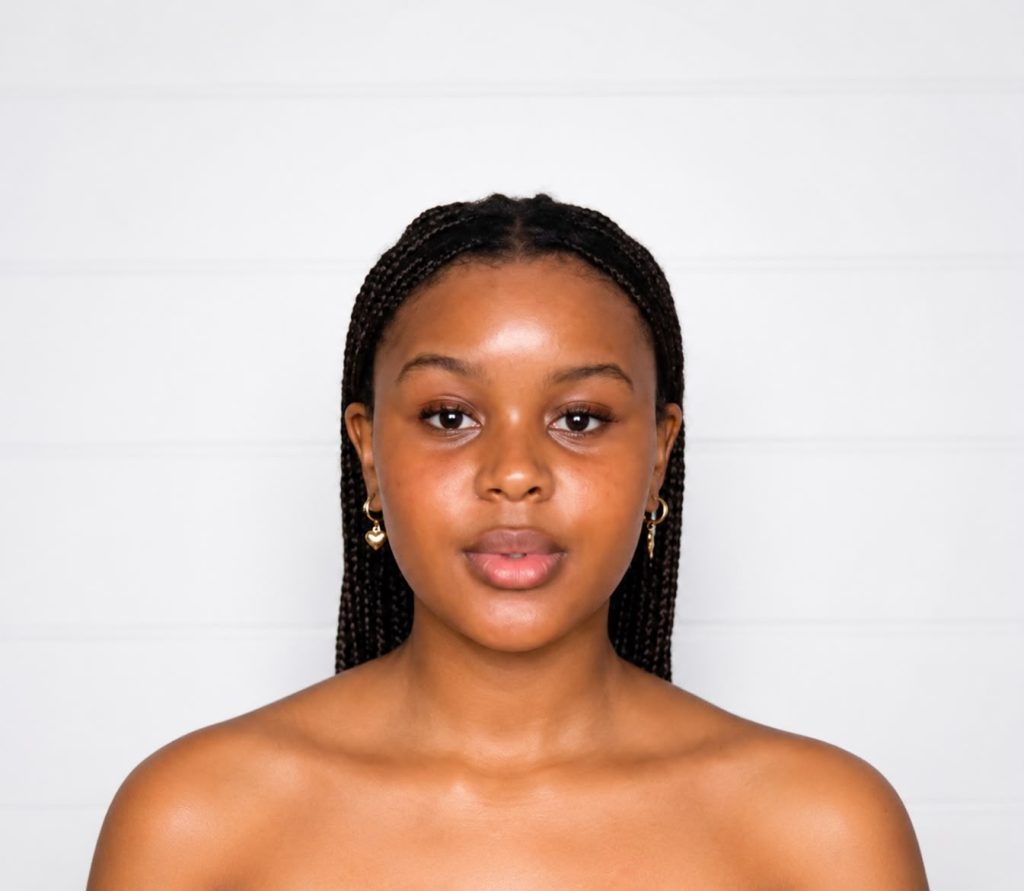
Seluleko says women’s empowerment is not just about celebrating women. It is about the sisterhood and support we give one another.
“I think sometimes as women we expect men to congratulate us, validate us or celebrate our achievements. But what if we started doing more of that for one another? What if we became the women who say “You’re doing well. I see you. Keep going”? For me, women’s empowerment means building one another up, especially building younger girls into strong women. It is about creating a genuine sisterhood where we celebrate each other, motivate each other and make space for one another to grow.”
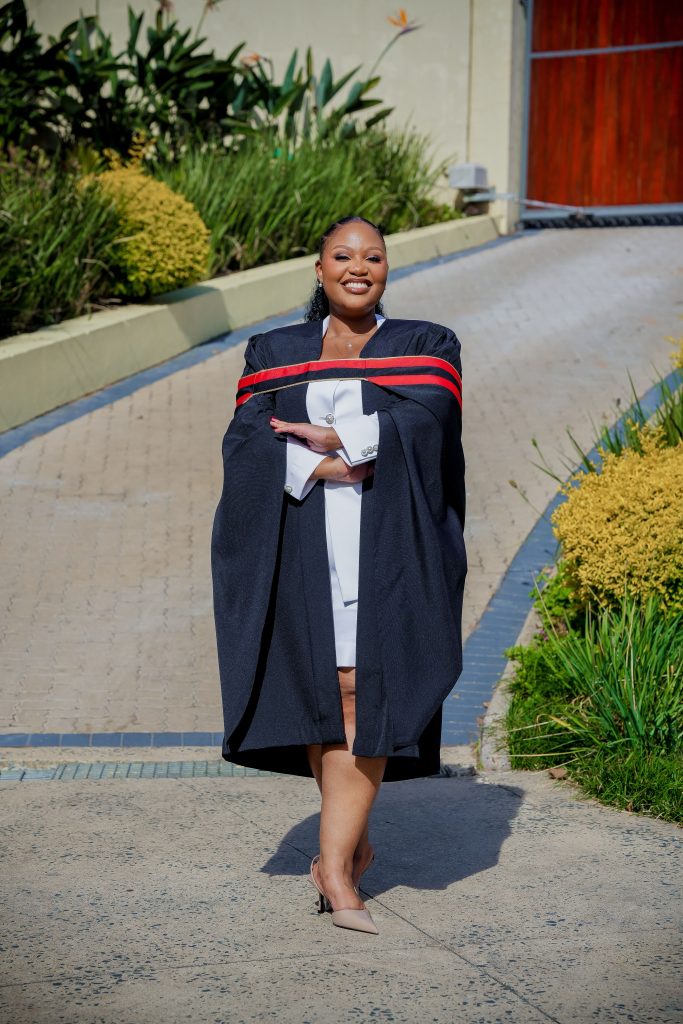
Amahle-amanzima defines women empowerment as the ability for women to have power in our own lives, in the decisions that they make and the careers they choose. “It means to be able to be liberated to exist in the context of being whoever you want to be whenever you want to be that person and for me really means freedom for all of us women in whatever field of like”
What Does Women’s Month Mean To You As A South African Women In 2026?
“I’ll be honest: I don’t want to give the cliché answer that Women’s Month is simply about empowerment, strength and resilience. I think Women’s Month is something that we still don’t celebrate or appreciate enough. I’ve been fortunate to work in environments where women are genuinely appreciated and celebrated, so Women’s Month has almost become a little celebration for me. But outside of those spaces, it isn’t necessarily something you hear people speaking about every day. You don’t often hear someone simply say, “Happy Women’s Month,” and have a conversation about what that actually means”, says Seluleko.
She continued to say, “So, for me, I’m still figuring out what Women’s Month means personally. I think part of that journey is asking myself: how do I celebrate Women’s Month beyond celebrating myself? How do I use it to empower the women around me? How do I educate other South Africans about why we commemorate this month in the first place? Women’s Month is not just about receiving recognition as women. It should also challenge us to recognize, educate and uplift other women.”
According to Amahle-amanzima women’s day is not really a celebration of some sort but it’s a day where as a women it’s important that you reflect on your responsibility in knowing the history of the day and also why is it so important.
“I think for me it really means that appreciating the work that was done by the women in 1956 knowing that we would not be here. I would not be here pursuing my postgraduate education, I would not have education if it was not for the women in 1956 who knew the responsibility they had of speaking up for other women. In 2026 it just means that with the decision that I make and with the life I choose to live whether it be my civil responsibility with voting in this years elections, continuing with my career, having full attorney with my body. Those are things I do them aware of the the fact that these are things I’m now privileged to do because of the women that fought for me in 1956.”
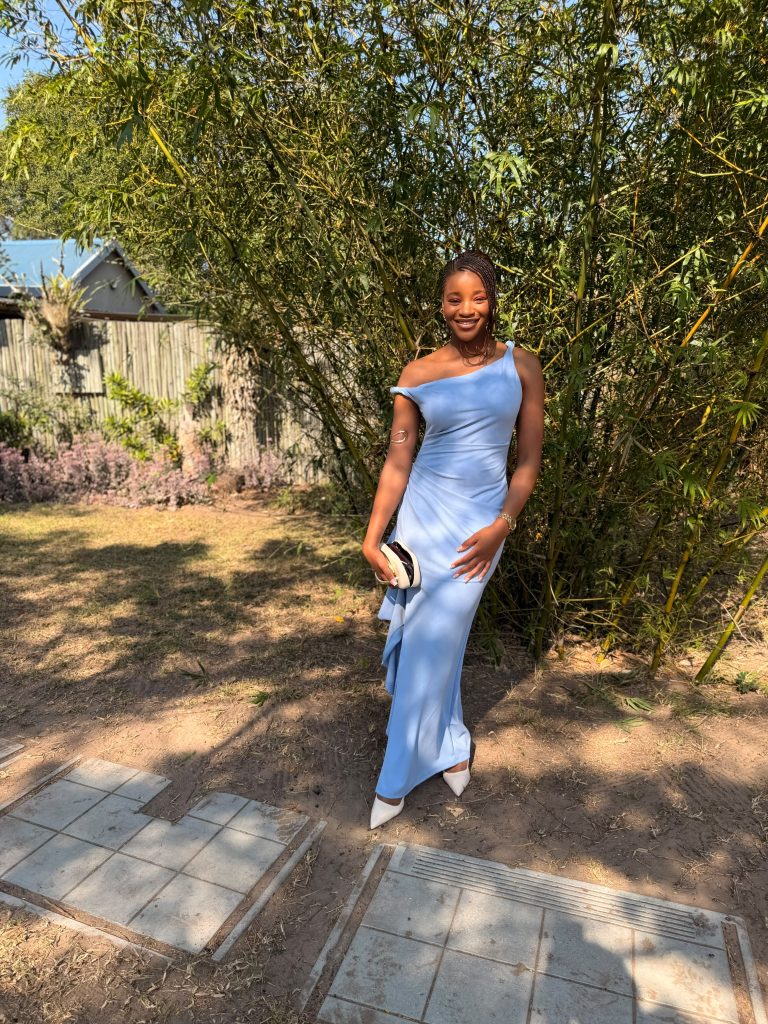
“Women empowerment to me is supporting all women not just those in my life but every woman I come across. It means accepting ladies for who they are without any judgement , jealousy and envy. It means celebrating every lady’s dreams and achievements without ceasing and being an available pillar and strength of all the women in my life,” says Ningi.
Who Was The First Woman Who Showed You What Empowerment Looked Like?
“My grandmother was one of the first women who showed me what empowerment looked like. Winnie Madikizela-Mandela was another woman who shaped my understanding of strength and courage. And as I’ve grown older, I’ve also developed a much stronger bond with my mother, so she has become another woman who represents empowerment to me,” says Seluleko
“I think it’s interesting how your understanding of an empowered woman can evolve as you grow. When you’re younger, you might admire women from history, but as you get older, you start recognising the strength in the women who raised you and the women who are actually around you.”
To Amahle-amanzima the first women who showed her what women empowerment could look like was her grandmother. “She really believed and made me believe that women are capable of doing anything and being anyone that they choose to be, she really empowered me with a lot of lessons she gave me as a child of how to speak for myself and how to stand up for myself helps you command your room and not being afraid of who I truly am.”
“I think these are the lessons that she gave me in terms of knowing how to navigate life as a women in the world, a future women at the time. She’s late now but she run her own business and she emphasized the that growing up you do not need a man to do things or help you with something, you can do it yourself and those are the kind of lessons that she taught me.”
According to Ningi Women’s month is reminder of the resillience and strength of women that was shown through Mam’Winnie during the years of oppression, it means that I should never doubt my strength as a lady because society already doubts us enough
What’s One Moment In Your Career Or Field Where You Felt You Had To Prove Yourself Because You’re A Woman?
“I’ve experienced this particularly in leadership spaces.”‘ says Seluleko.
“I’m a firstborn daughter, so I naturally have a very dominant, independent and assertive personality. I’m quite quick to put my foot down when I believe strongly in something. But I’ve also had that same confidence used against me. I’ve been called emotional, bossy, rude or told that I always have an opinion.”
She continued to say, “Those comments have affected my confidence before, and I think that is unfortunate because women are often put in a position where we have to prove that our confidence is not aggression and that our decisions are not driven purely by emotion. I’ve had to prove that I can be both logical and human in the way I lead. I can make a rational decision while still considering the people involved and the humanity behind the decision. That is something I admire about women in leadership. There is a certain sense of Ubuntu and humanity that women can bring into leadership spaces. And one thing I’ve learned is that women always get back up. You can criticize her, break her confidence or hurt her, but she will find a way to stand up again.”
Amahle-amanzima says, ” I don’t have a lots of industry experience but I did work at a talent management and sport marketing agency years ago and because, I was working at a sport industry, dealing with more grassroot sport than a well developed and funded sport.”
” Being in that industry I needed to prove myself everyday especially because, that is a sport industry and it is very male dominated and I needed to show that I knew what I was talking about. Saying, if we make this post these are the numbers that we can expect because, I knew that this is what people want to see a lot of the time because, I’m young and also because I’m women. It came with a lot of doubt and second guessing but I had to stand firm with who I am and I also think that I will always kind of overprepare if we’re dealing with a specific client or we’re dealing with a potential sponsor I had to know the history of that client or history of that person and know their profile and walk into that meeting knowing what I’m going to be talking about and showing that I’m overprepared so that I don’t have to mess up and feel like I’ve messed up because if I mess up it weighs on me more.”
How Do You Practice “Girlhood” And “Womanhood” In Real Life?
“For me, girlhood and womanhood also mean taking care of myself. I love doing my hair and my nails, dressing up and making myself feel good. Not because I need to look pretty for someone else, but because I enjoy doing those things for myself. I also practise womanhood through the way I engage with other women. I like commenting on and supporting women, especially women who are trying to grow in content and creative spaces. I’m not a content creator myself, but because I study marketing, I find it inspiring to watch women build themselves and thrive in those spaces,” says Seluleko.
“I also try to practize womanhood through leadership by looking after younger women, advising them, encouraging them and helping wherever I can. For me, girlhood is also about simply enjoying being a girl. Dressing up, looking pretty, taking care of yourself and allowing yourself to enjoy those little things without feeling guilty about them.”
“I practice girlhood/womanhood by always being available to my friends, prioritizing my relationship with the ladies, providing support to all my friends/acquaintances who venture into self improvement either through business, making healthier choices,” says Ningi.
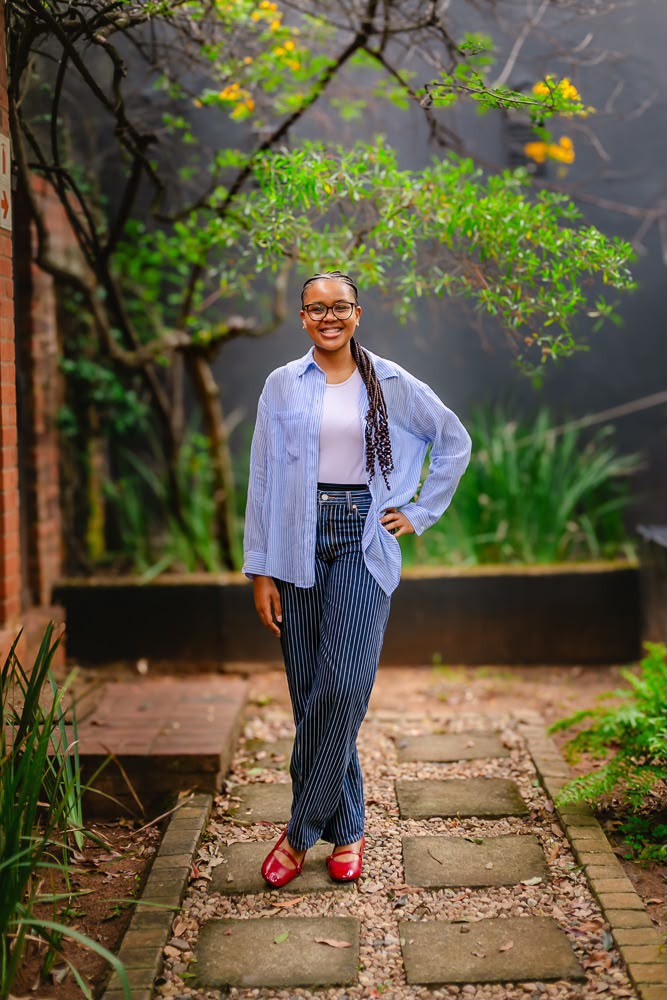
“To the next generation of South African girls, I want you to know that you are the person who decides your destiny. You have the power to educate yourself, to become whatever you want to become and to build a life that is meaningful to you” – Seluleko Bhungane –
If you could write one law or policy to better support young women in South Africa, what would it be?
Amahle-amanzima says ”To better support all women in South Africa I would make women’s health facilities more accessible. I think women’s health is under explored and under funded part of life in South Africa , women are protected but not at an extent that they should be because, funding for women’s health, funding for indemnity services and making sure that sanitary pads are accessible for all women in all spaces. Where there are funding for abortion facilities making sure that those facilities are free, funding for sexual health education for young women and not just contraceptive.”
“One policy I would advocate for is much stronger protection against child and forced marriage, particularly for young girls. I believe no young girl should have her education, dreams or opportunity to become the woman she wants to be taken away because she has been pushed into marriage before she is emotionally and mentally ready for it, says Seluleko”
“Marriage is often romanticized, especially to young girls. I’m not saying marriage is a bad thing it can be beautiful but it requires maturity, consent and an understanding of the long-term commitment that both people are making. I would want stronger systems to identify, prevent and report situations where girls are being forced or pressured into marriage, and stronger consequences for adults who exploit or take advantage of young girls.”
“I would also advocate for formal menstrual leave or appropriate menstrual support for women and girls in schools and workplaces. Menstruation can involve significant pain and discomfort, and for some women it can be debilitating. We can talk about normalizing periods, but we also need to acknowledge the very real physical experience that women go through. A girl sitting in class or a woman sitting at work worrying that she may be bleeding through her clothes is experiencing a very real form of discomfort and anxiety. We should create environments where women and girls do not have to feel ashamed or punished for something completely natural.
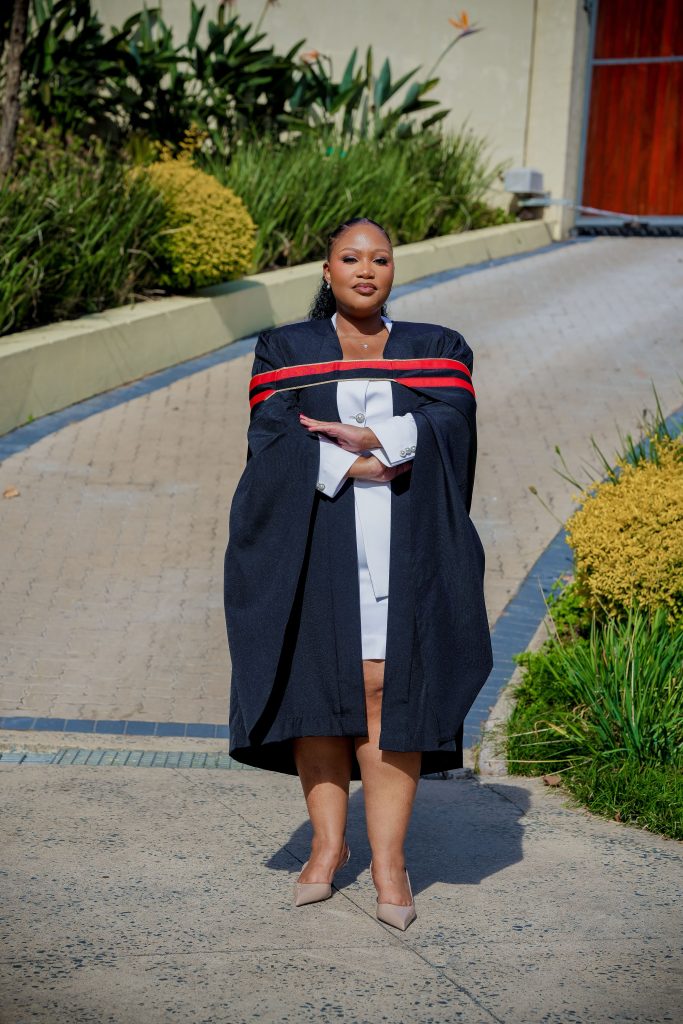
“I would advise the young girls by teaching them the history of 1956, why it happened and I would try and make the understand the sacrifices. I would kind of fourbering the knowledge we got as children to say they were these women, they marched because they knew they had to march to see a different South Africa for all women regardless of race and also knowing that racial politics was a huge part in the history of South Africa regardless of that, these women of different backgrounds, different social social class were coming together for the bigger course really is a beautiful story and I would introduce them to knowing female activists that were pervital in South Africa’s freedom and teaching them how to practice girlhood at a young age”
-Amahle-amanzima
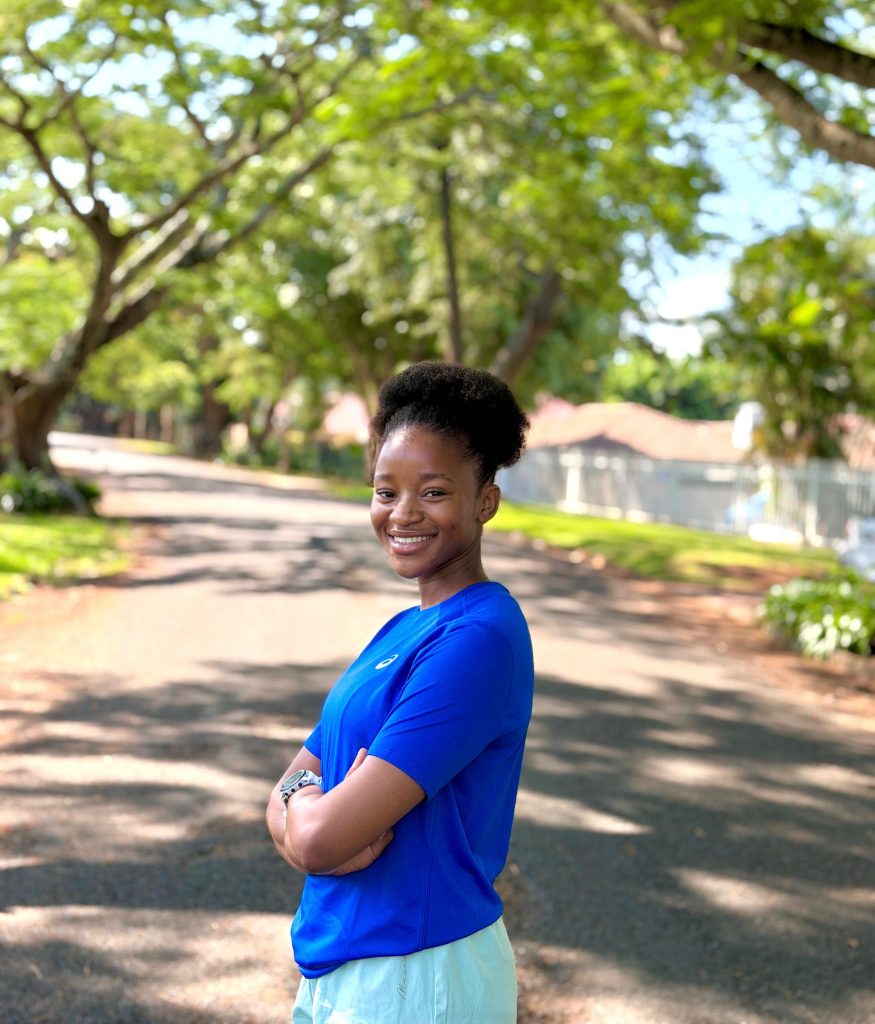
“Know and never doubt that you belong, never doubt that your voice or opinion matters, respect and know your God given Womanly power of perseverance and strength” – Ningi Mkhabela –
Read More: Actress Thobeka Ndwandwe Is Becoming Her Own Definition of Greatness