

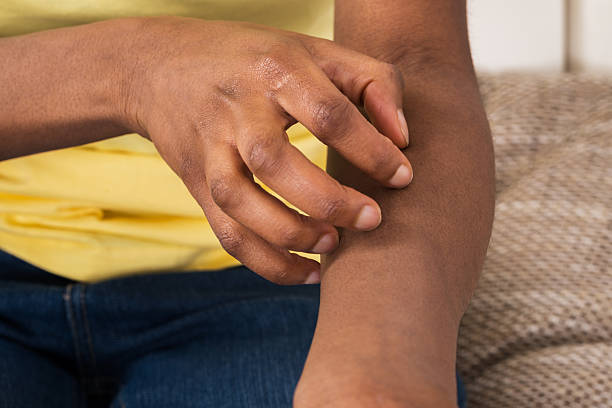
October is Eczema Awareness Month, a global campaign to educate the public and support the people living with this chronic skin condition. It’s also a good reminder of how common eczema is. The National Eczema Association estimates that 10% to 20% of children and infants, and 2% to 10% of adults, live with it worldwide.
What Is Eczema?
Eczema, also called atopic dermatitis, is a chronic, non-contagious inflammatory skin condition. It can appear anywhere on the body and is influenced by genetics, diet, lifestyle, environmental aggressors, irritants and allergens.
It typically shows up as dry, red or discoloured patches that may be scaly, thickened or blistering. Itching is the most burdensome symptom, and during a bad flare-up it can become intense. Many people also experience sensitivity, pain, tingling, burning or stinging.
Meet Your Skin Barrier
One thing eczema sufferers often overlook is the importance of a healthy skin barrier, also known as the stratum corneum. Picture a brick wall: your skin cells are the bricks, and lipids such as ceramides are the mortar holding everything together. This outer shield locks moisture in and keeps bacteria and other pathogens out.
When the wall is strong, skin feels soft, smooth and calm. When it’s damaged, moisture escapes and irritants get in, leaving skin red, sensitive and irritable. Over-exfoliating, overusing harsh or potent ingredients, scalding hot water, dry weather and pollution can all weaken it.
Eczema and a damaged barrier are closely linked. Eczema weakens the barrier and, in some cases, stems from a genetic lack of ceramides. Gaps form between skin cells, moisture escapes, and allergens and irritants slip in, triggering inflammation and itching. It becomes a vicious cycle, because a compromised barrier is the perfect place for eczema to flare.
Where to Start: Repair the Barrier
There’s no one-size-fits-all cure for eczema, but repairing the skin barrier is the best place to begin.
- Simplify your routine. Pause actives and exfoliants.
- Cleanse gently. Use a mild, fragrance-free cleanser and lukewarm water. Avoid hot water entirely.
- Moisturise generously. Look for serums and moisturisers with ceramides and fatty acids, and seal in moisture with a humectant like hyaluronic acid or glycerine.
- Protect daily. Apply a gentle mineral SPF, as UV exposure can increase sensitivity and slow healing.
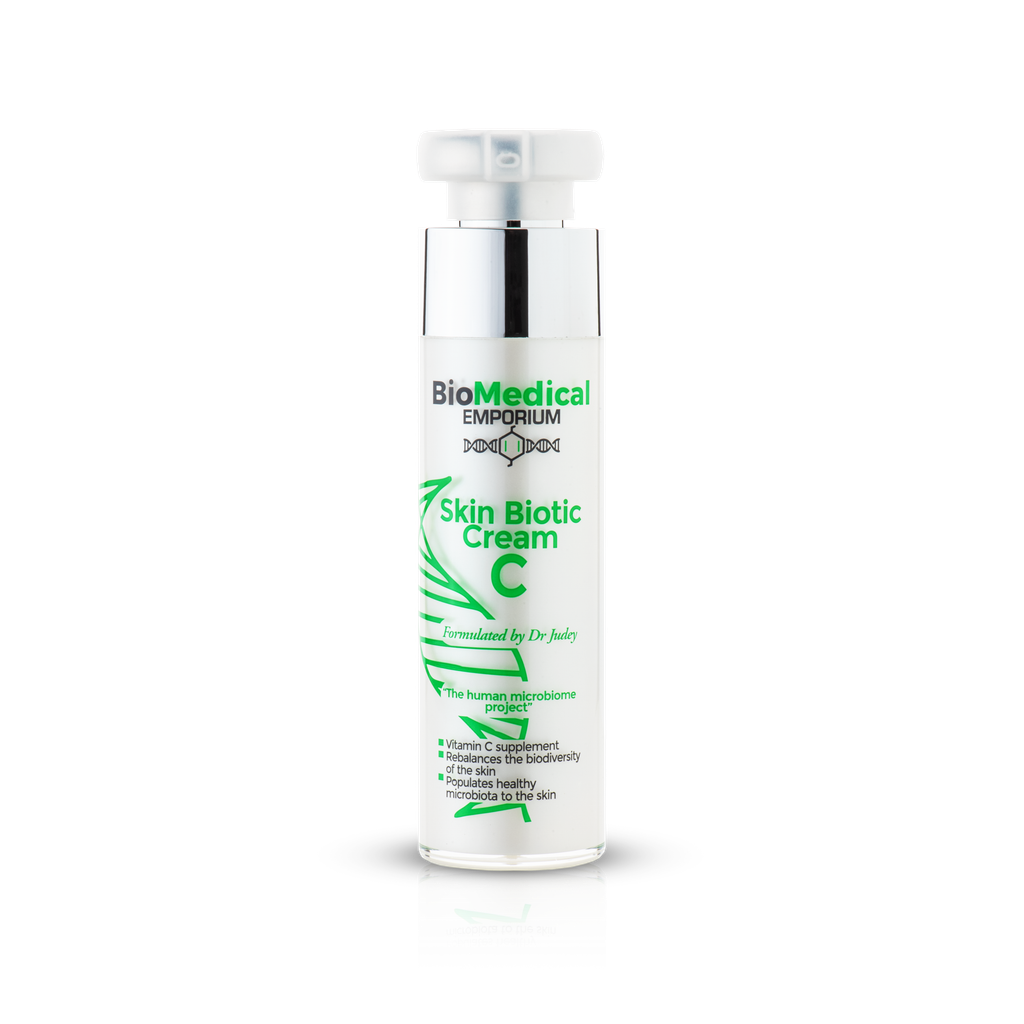
Biomedical Emporium’s Skin Biotic Cream C is a good option for eczema-prone skin. It helps restore and rebalance the skin’s biodiversity and supports the skin as it regenerates new cells after superficial cells have been damaged or destroyed.
Mild barrier damage may improve within a week or two, while more severe damage can take several weeks to heal.
Small Changes That Make a Big Difference
- Don’t scratch. It brings temporary relief but can damage the skin, leading to inflammation and infection. A cool compress can soothe the itch, and some people find an oral antihistamine helpful.
- Follow medical advice. For severe eczema, your doctor may prescribe topical cortisone or steroid creams. Use them exactly as directed.
- Manage stress. Stress is a common trigger, so make time for relaxation techniques. Quit smoking, keep your home free of smoke and dust, and avoid indoor heaters where possible, as they dry out the skin.
- Eat to calm inflammation. Fatty fish, colourful fruits and vegetables, whole grains and probiotic or fermented foods support the skin barrier. Dairy, gluten and wheat, nuts, soy and processed foods high in sugar and salt are potential triggers for some people.
The Bottom Line
If you suspect you have eczema, or you struggle to manage it, consult your medical practitioner for a diagnosis and a treatment plan suited to your skin. There’s sadly no cure yet, but there are plenty of ways to manage the condition and keep flare-ups at bay.