

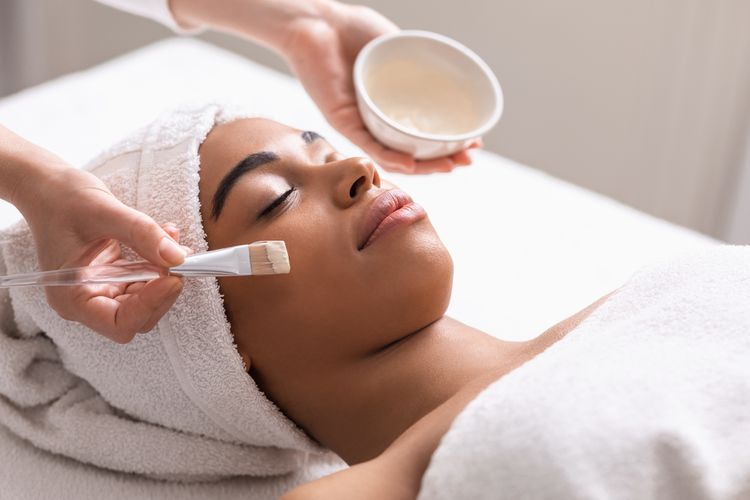
The Melanin Truth About Chemical Peeling
For decades, the beauty industry pushed a persistent myth: if you have melanin-rich skin, stay far away from chemical peels. We were warned that acid and pigment simply do not mix, that a single swipe of a clinical solution could leave darker skin blotchy, burnt, or permanently discoloured.
“Chemical peels are not off-limits for skin of colour; inexperience is. When applied with precision, chemical exfoliation remains one of the most effective tools for erasing stubborn hyperpigmentation, refining coarse texture, and unlocking an effortless, lit-from-within glow,” says Shalean Motaung, owner of Skin Restoration Aesthetic Clinic
Before you book that appointment, here is your definitive guide to the good, the bad, and the downright ugly of chemical peeling for skin of color.
The Acid Menu: Chemical Peels Tailored for Darker Skin
Not all acids are created equal. The most common used are:
- Mandelic Acid Peels (AHA): The ultimate holy grail for dark skin. Mandelic acid has a significantly larger molecular size than other AHAs, meaning it penetrates the skin slowly and evenly without triggering inflammatory trauma.
- Salicylic Acid Peels (BHA): Oil-soluble and naturally anti-inflammatory. Salicylic acid dives deep into clogged pores to clear active acne and fade post-breakout dark spots simultaneously.
- Low-Concentration Glycolic Acid Peels (20%–30%): A tiny molecule that offers dramatic radiance and collagen stimulation. It must be carefully timed and neutralized by an expert to prevent burning.
- Low-Strength TCA Peels (Trichloroacetic Acid 10%–15%): Used strictly in controlled, medical-grade formulations to target deeper pigment and fine lines without venturing into high-risk skin depths.
The Good: Advantages of Chemical Peels for Darker Skin
- Erases Post-Inflammatory Hyperpigmentation (PIH): Safely accelerates the shedding of stubborn brown and dark spots left behind by acne or injury.
- Targets Melasma & Sun Damage: Breaks up clustered melanin deposits in the upper layers of the skin for a noticeably more unified complexion.
- Clears Active Acne & Congestion: Beta hydroxy acids dissolve excess sebum and debris inside the pore lining, stemming breakouts at the source.
- Refines Skin Texture: Smooths out rough, bumpy, or uneven skin surface, leaving it silky to the touch.
- Boosts Radiance & Cellular Turnover: Removes the dull, grayish top layer of dead skin cells to reveal fresh, glowing skin beneath.
- Minimizes Pore Appearance: Deeply cleanses and tightens the walls of stretched pores, making them appear refined.
- Stimulates Collagen Production: Encourages subtle collagen synthesis, softening fine lines and firming early signs of ageing.
The Bad & The Ugly: Disadvantages & Risks to Consider
- Post-Inflammatory Hyperpigmentation (PIH): Paradoxically, if a peel causes excessive heat or irritation, dark skin can respond by producing more pigment, making dark spots worse.
- Risk of Hypopigmentation: Deep or overly aggressive peels (like phenol or high-strength TCA) can damage melanocytes permanently, leaving white or lightened patches.
- Chemical Burns & Blistering: Incorrect acid concentration or leaving a peel on too long can cause severe surface burns.
- Scarring & Keloid Formation: Melanin-rich skin is genetically more prone to keloids and hypertrophic scars if the skin barrier suffers traumatic damage.
- Temporary Redness, Stinging, and Tightness: During and immediately after the procedure, skin will feel hot, tight, and temporarily irritated.
- Social Downtime & Visible Flaking: Your skin may look darker, feel crusty, or flake noticeably for 3 to 7 days post-treatment.
- Extreme Sun Vulnerability: Newly revealed skin is hyper-sensitive to UV rays; unprotected sun exposure after a peel virtually guarantees rebound pigmentation.
Choose your Aesthetic Clinic Carefully
When you have skin of color, choosing a practitioner is non-negotiable: experience with melanin-rich skin trumps fancy clinic decor every single time.
- Look for Skin-of-Color Expertise: Seek out board-certified dermatologists, aesthetic doctors, or licensed medical estheticians who explicitly showcase portfolio results on Fitzpatrick Types IV–VI.
- Inquire About Patch Testing: Ask if they perform a patch test behind the ear or jawline to monitor how your skin reacts before committing to a full-face application.
- Avoid “One-Size-Fits-All” Clinics: Walk away from clinics offering identical peel protocols regardless of skin tone or depth of pigment.
Essential Post-Peel Aftercare Rules
The magic of a chemical peel happens during the recovery window. What you do at home dictates 50% of your final result.
- Hands Off (DO NOT PICK): Never pull, peel, or scratch flaking skin. Forcefully removing skin before it’s ready causes raw trauma and instant hyperpigmentation.
- Strict Broad-Spectrum Sunscreen: Apply an SPF 30–50 zinc or titanium-based (or non-white-cast chemical) sunscreen every morning, rain or shine, and reapply every 2 hours if outdoors.
- Pause Active Ingredients: Stop all retinoids, AHA/BHA exfoliants, vitamin C, and physical scrubs for 7 to 10 days post-peel (or until fully healed).
- Avoid Sweat & Heat: Skip hot yoga, saunas, intense workouts, and steam rooms for 48 to 72 hours, as heat induces inflammation and sweat can irritate raw skin.
Recommended Treatment Frequency: How Often Is Safe?
Over-peeling is the fastest way to ruin a healthy skin barrier. Frequency depends entirely on the depth of the peel.
Read More: Answers To The Questions Everyone Is Asking About Peptides