
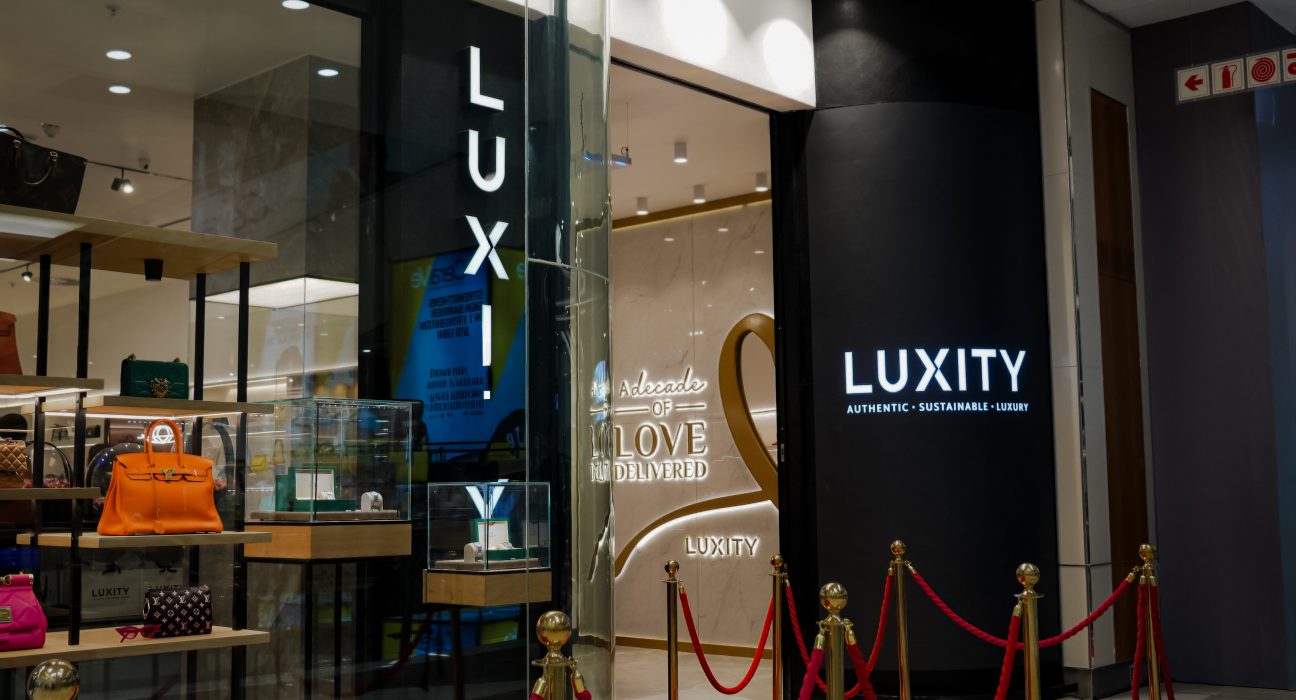
Ten years ago, buying pre-owned designer in South Africa meant a Gumtree scroll and a small prayer. Today, a local Birkin sells out in two minutes flat. To mark Luxity’s tenth anniversary, they’ve dug into a decade of sales data to tell a bigger story: how South African style evolved alongside pop culture, entertainment and the shifting fortunes of fashion’s biggest brands.
What 10 Years of Luxury Resale Reveals About South African Style
There was a time when buying pre-owned designer goods in South Africa involved a fair amount of detective work. Ten years ago, if you wanted a Louis Vuitton, Gucci or Chanel item, you might have found it on a site like Gumtree and hoped the photographs told the whole story. Was it real? Where had it come from? Why was it being sold? And, perhaps most importantly, could you trust the person selling it?
The questions people ask now are rather different. Which one? In which colour? From which year?
The handbag is sharing the wardrobe
Bags have not gone anywhere, and they have never been worth more. The average pre-owned bag now goes for R28,238, up from R12,599. As the price of a classic designer handbag has risen from 50% to 70% since 2019, pre-owned has become a more practical way into the category.
What has also changed is how comfortable people have become buying pre-owned. As that confidence has grown, so has the range of things they are prepared to consider. Shoes went from one in ten purchases to nearly one in three. Watches, which Luxity did not offer at all in 2017, now go for an average of R49,999. Apparel arrived in 2021. And this year, someone even bought homeware.
2016 was very Gucci
Yesterday’s trend can become tomorrow’s archive.
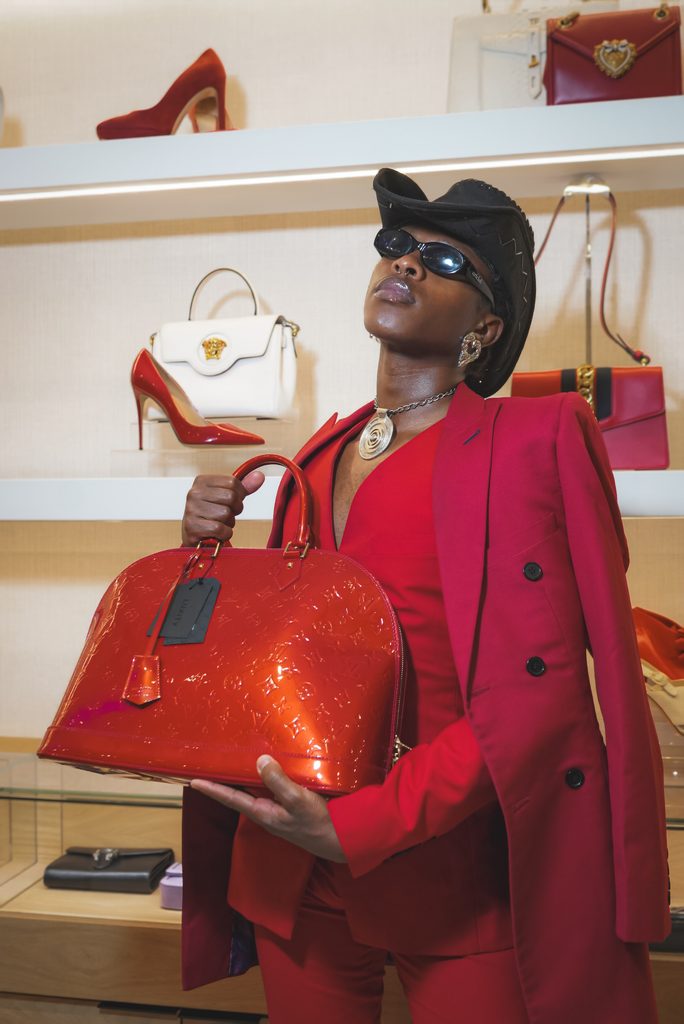
Gucci is not the only example. Dolce & Gabbana has grown from 0.9% of items sold to 5.2%, while Versace has risen from 0.4% to 2.8%. Montblanc, which does not appear in the early mix, now accounts for 2.9%. Chanel and Hermès have lost share by volume but still sell more individual pieces than they did in 2017.
The musical chairs decade
“The interesting thing about resale is that you get to watch the fashion cycle play out in real time,” notes Zahariev. “A brand can cool off, a particular style can suddenly become desirable again, and a piece that sat untouched for years can become the one everyone wants.”
What people watched, they wanted
South Africa has had its own run of moments. Tyla’s red-carpet wardrobe has become a global fashion story in its own right. She made her Met Gala debut in 2024 in a Balmain gown sculpted from sand, returned in 2025 in custom Jacquemus, and walked the steps again in 2026 in custom Valentino, designed by Alessandro Michele. The man who defined Gucci in 2016 is now dressing South Africa’s biggest pop export.
Amapiano came out of the townships of Johannesburg and Pretoria and brought its own dress code with it. Built in parking-lot sessions and club sets rather than on a runway, its artists mix local labels like Rich Mnisi and Galxboy with Louis Vuitton, Gucci and Amiri.
Screen culture has had its own decade too. Netflix South Africa turned ten this year, and Luxity pieces and stores have appeared in local productions including Bad Influencer.
Suspicion took a decade to shake
For years, buying pre-owned meant doing it from the couch. Everything happened online, partly because there was nowhere else to do it and partly because nobody wanted to be seen doing it.
Then the shops opened, and it turned out people wanted to touch things. By 2023, the floors were doing nearly four times the business of the website. South Africans wanted to hold the bag, check the stitching and decide for themselves.
Now the pendulum has swung again. Online is up 75.3% on this time last year, and a customer who once wanted to see a piece in person will buy a watch from a phone.
The next ten years
Zahariev expects at least one in ten luxury items bought in Africa to be pre-owned by 2027.
“The customer knows what they want now,” he shares. “They know the brand, the collection, the colour, the year. And if you know what you’re looking for, resale gives you a much bigger wardrobe to choose from.”
He is not alone in thinking so, half of luxury shoppers worldwide now check the pre-owned market before buying anything new, and pre-owned luxury grew last year while sales of new luxury goods fell.