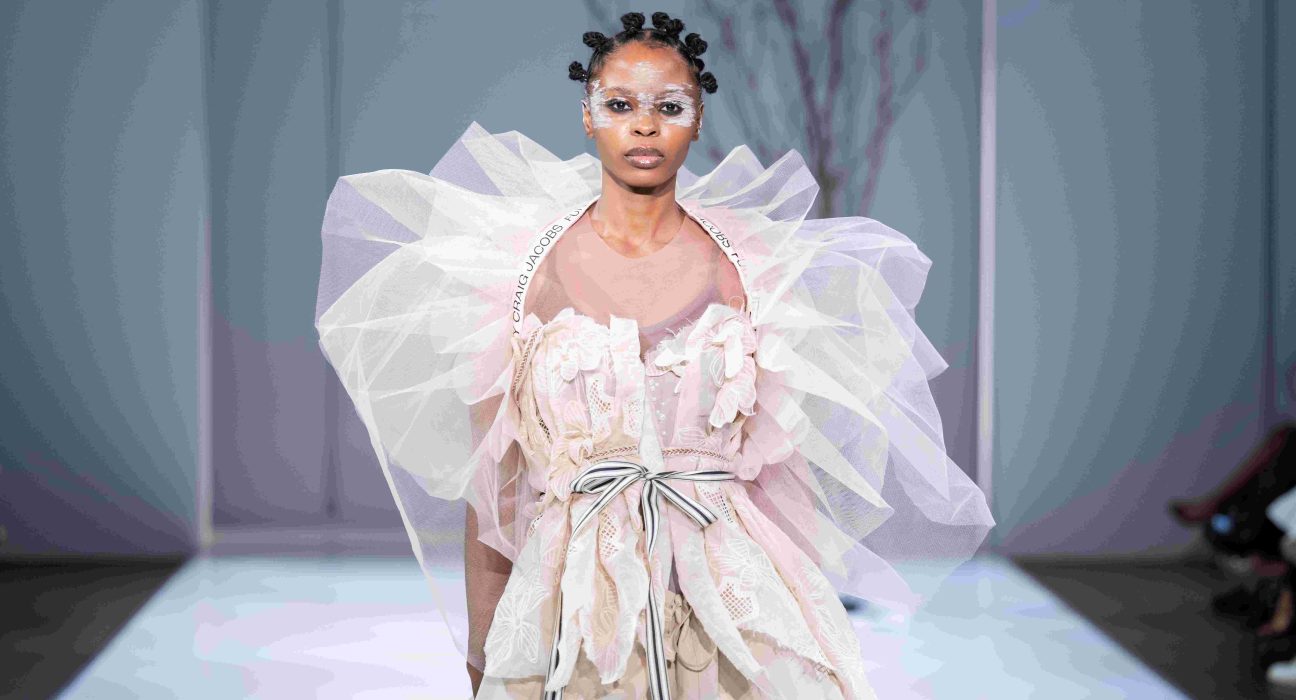
At South African Fashion Week, designer Craig Jacobs asked a question the industry rarely likes to face: what happens to clothes nobody wants anymore?
His answer came in the form of THE NEW EARTH, the latest transeasonal collection from Fundudzi by Craig Jacobs, presented at Hyde Park Corner Shopping Centre.
Built from pre-owned, surplus and cast-off garments, the 2026/27 collection shows how excess clothing can become the raw material for something new.
“Rather than treating existing garments as the end of their useful life, we worked through a process of dismantling and reconstructing what others, mostly in the West, discard to explore new possibilities in materials that might otherwise be overlooked,” says Jacobs, who founded Fundudzi in 2004 to tell African stories through cloth in an ecologically sensitive way.
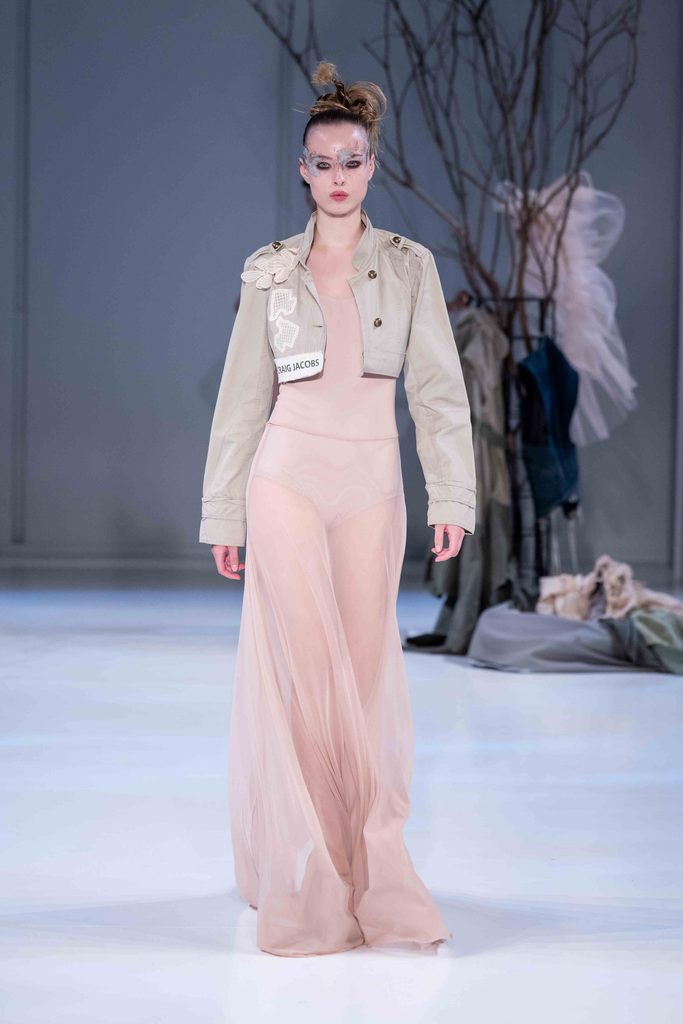
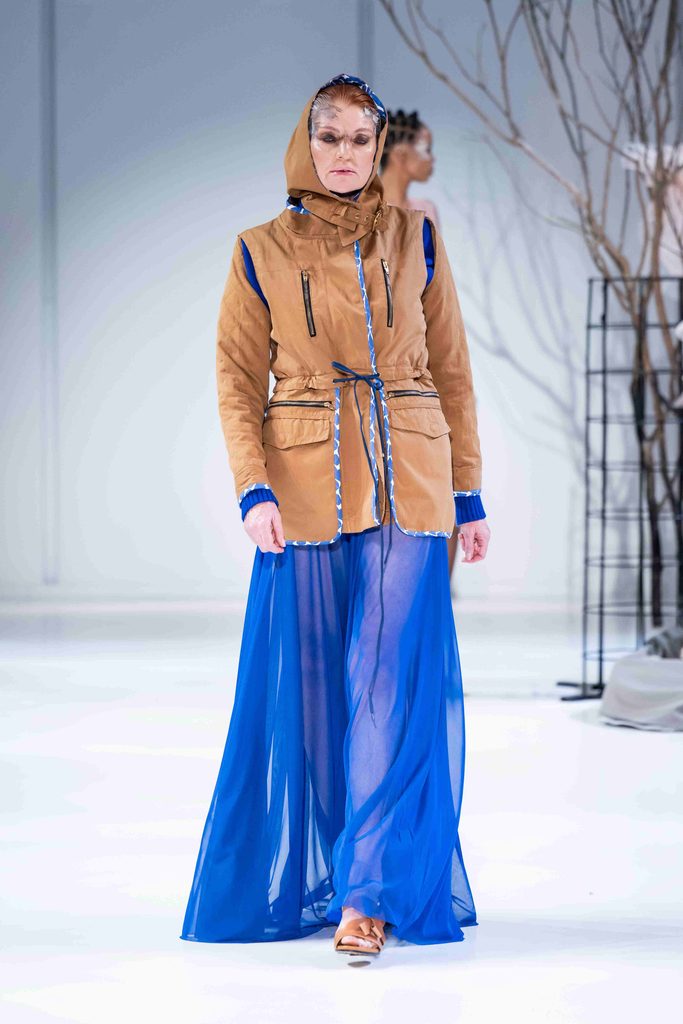
The collection takes its palette from Southern Africa’s geological landscapes, with the muted tones of earth, stone and weathered terrain running throughout.
Tailoring, denim, knitwear and sheer layers move easily between everyday wear and bolder, more expressive silhouettes. Each piece offers its own take on reuse.
Beyond the clothes, THE NEW EARTH is a comment on a fashion system fuelled by constant production and consumption, from fast fashion to luxury, where longevity is often an afterthought.
Reworking garments won’t solve the textile waste crisis on its own, but the collection shows how creativity can push the conversation forward on value, resourcefulness and what fashion’s future might look like.
Formative parts of the collection were produced at Ananse Studios Johannesburg in Rosebank’s Design District. It was made possible by a generous donation from Mr Alan Ford, television producer and patron of the creative industries, while Luxity, the collection’s Official Accessory Partner, supplied the footwear.
For Jacobs, sustainability starts with a shift in mindset as much as a change in method. Creativity, he believes, doesn’t always demand new materials. Sometimes it simply asks us to look at what we already have in a new way.