


As the chill of winter recedes and warmer days take over, your skin requires a seasonal reset. Winter’s heavy occlusives and rich textures, designed to protect against harsh winds and dry air, can start to feel cloying under warmer weather. Spring brings higher humidity, increased sun exposure, and rising temperatures and factors that alter sebum production and sweat levels.
To help your readers achieve a fresh, dew-kissed complexion, here is my curated guide featuring six actionable steps to transition any skincare routine seamlessly into spring.
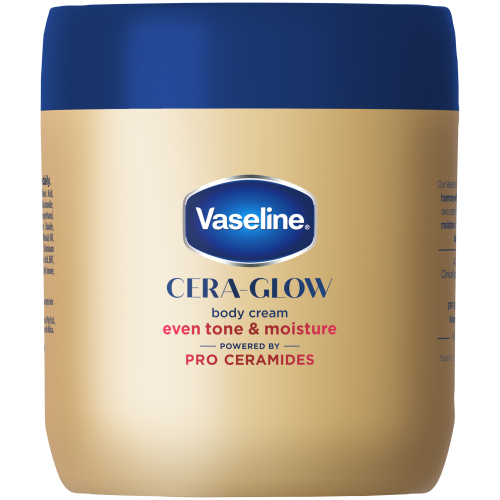
1. Swap Heavy Ointments for Lightweight Hydration
The Action: Put away thick, lipid-dense winter creams and transition to lightweight, water-based formulations.
- What to Add: Gel-creams, hyaluronic acid serums, or lotion formulations rich in humectants like glycerin, sodium hyaluronate, and aloe vera.
- What to Avoid: Heavy petrolatum-based occlusives or overly rich creams during daytime hours, as they can combine with natural sweat and lead to clogged pores.
- Pro Tip: Look for non-comedogenic gel formulas that absorb quickly without leaving a greasy residual layer.
- Advantages: Restores optimal moisture levels without overloading the skin barrier. Lightweight textures prevent congestion and allow the skin to breathe in rising humidity.
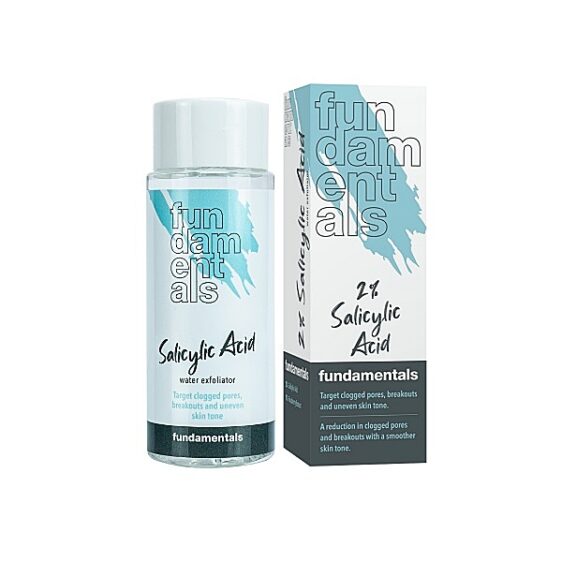
2. Slough Off Winter Dullness with Gentle Chemical Exfoliators
The Action: Clear away the buildup of dead skin cells accumulated over dry winter months to reveal a brighter, smoother surface.
- What to Add: Polyhydroxy acids (PHAs) for sensitive types, or low-percentage Alpha Hydroxy Acids (AHAs) like lactic or glycolic acid 1–2 times a week.
- What to Avoid: Harsh physical scrubs with abrasive beads or nuts that create micro-tears in the skin.
- Pro Tip: Exfoliate in the evening to allow your skin barrier time to recover overnight before sun exposure.
- Advantages: Improves overall skin texture, enhances product penetration for serums and moisturizers, and promotes cell turnover for an instant spring glow.
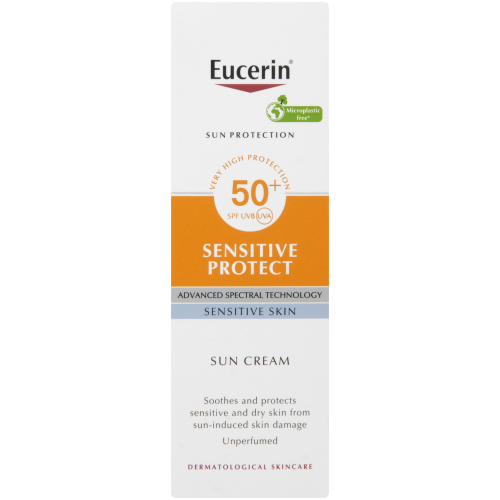
3. Upgrade and Reapply Daily Broad-Spectrum Sun Protection
The Action: As UV index levels rise with longer daylight hours, sun protection moves from standard care to absolute priority.
- What to Add: A fluid, broad-spectrum sunscreen with SPF 30 or higher that offers UVA/UVB protection, plus antioxidant benefits.
- What to Avoid: Relying solely on SPF found inside liquid foundations or BB creams—the application amount is rarely enough to provide adequate coverage.
- Pro Tip: Introduce an SPF spray or mineral powder sunscreen for effortless touch-ups over makeup throughout the day.
- Advantages: Shields against photoaging, hyperpigmentation, and environmental damage while maintaining a lightweight, invisible finish.
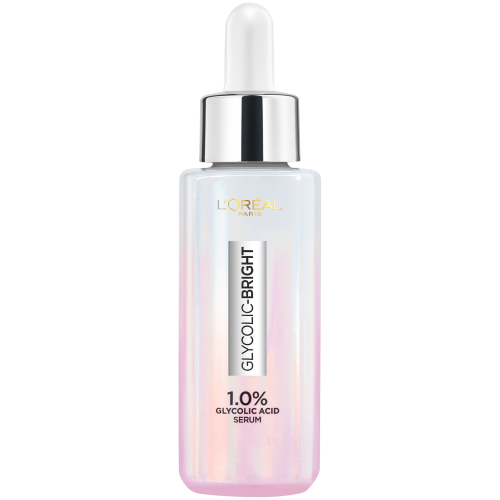
4. Boost Protection with Brightening Serums
The Action: Shield the skin against spring pollutants, rising ozone levels, and environmental oxidative stress by adding a dedicated serum layer.
- What to Add: L-ascorbic acid (Vitamin C), Niacinamide (Vitamin B3), or Ferulic Acid serums under your SPF each morning.
- What to Avoid: Combining high-potency Vitamin C with strong active acids (like AHA/BHAs) in the same step, which can cause redness or irritation.
- Pro Tip: Store Vitamin C serums in a cool, dark place to maintain stability and prevent rapid oxidation.
- Advantages: Neutralizes free radical damage, fades lingering winter post-inflammatory hyperpigmentation, and visibly boosts skin luminosity.
5. Double Cleansing for Pollen and Sweat Protection
The Action: Spring brings higher counts of airborne allergens and pollen, alongside increased sweat and oil production. A single cleanse is often no longer sufficient.
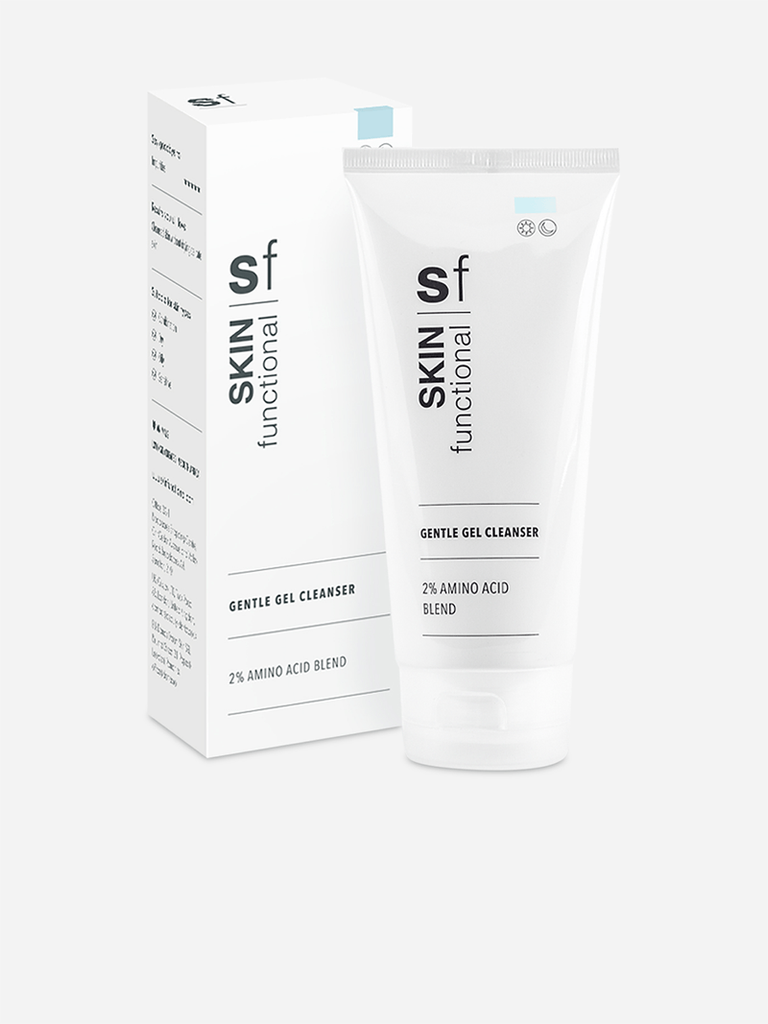
- What to Add: A two-step cleansing ritual at night,first an oil or micellar cleanser to break down sunscreen and grime, followed by a gentle, foaming gel cleanser.
- What to Avoid: Over-stripping sulfates or harsh soap bars that disrupt the natural acid mantle.
- Pro Tip: Take 60 seconds to massage your second cleanser into the skin to ensure deep pore purification.
- Advantages: Effectively removes fine particulate matter, pollen, and water-resistant SPF without compromising the skin barrier or causing breakouts.
6. Spring Clean Your Skincare Shelf and Tools
The Action: Take inventory of your current beauty stash to ensure hygiene, potency, and safety.
- What to Add: Clean makeup brushes, sanitized beauty tools, and fresh pillowcases (preferably silk or satin).
- What to Avoid: Using expired products or anything that has separated, changed color, or developed an off odor over the past season.
- Pro Tip: Check the PAO (Period After Opening) symbol, a small open jar icon with a number like “6M” or “12M”— on all products before application.
- Advantages: Prevents bacterial infections, minimizes unnecessary breakouts, and guarantees that active ingredients remain stable and effective.