

Every entrepreneur has had that moment. A brilliant idea strikes during a conversation, a morning commute or while scrolling through social media. It feels innovative. It feels like the next big thing. But here’s the uncomfortable truth: a great idea alone has never guaranteed a successful business.
What separates thriving entrepreneurs from those who never make it past the planning stage isn’t creativity, it’s execution.
The ability to identify a real problem, create a solution people genuinely need and bring it to market before the opportunity disappears is what turns inspiration into impact.
Why Execution Beats Inspiration
Too often, aspiring entrepreneurs spend months perfecting an idea instead of testing whether customers actually want it. The most successful businesses aren’t always built on groundbreaking concepts. Many simply solve everyday problems better, faster or more conveniently than anyone else.
As Allon Raiz, CEO of Raizcorp, explains, the real value lies in creating something customers are willing to pay for. “Most people place too much emphasis on having a great idea and not nearly enough on building something customers actually want. Ideas create possibilities, but products create businesses. The entrepreneurs who succeed are the ones who can make good decisions, adapt quickly and keep moving.” It’s a lesson that’s becoming increasingly relevant in today’s fast-moving economy.
The Business World Doesn’t Wait
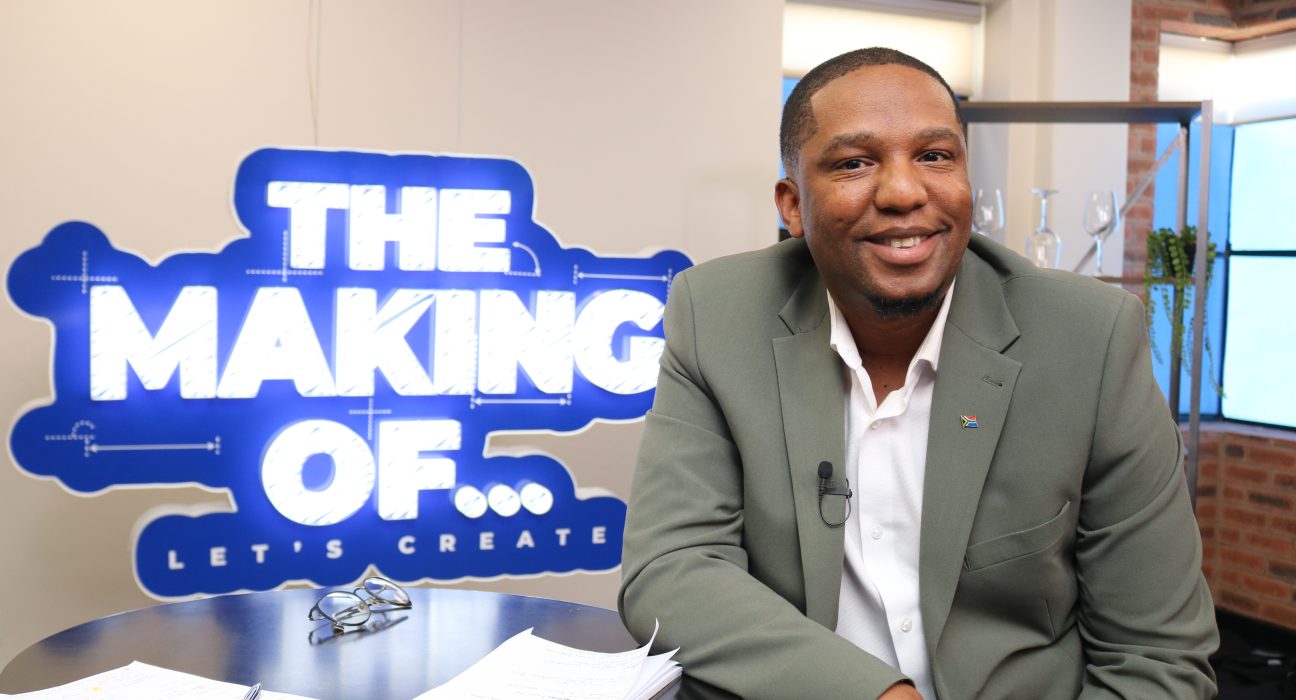
This philosophy is at the heart of Engen The Making Of, an innovation competition sponsored by Engen and powered by Raizcorp.
The challenge pushes ten entrepreneurs to think beyond brainstorming. Given just four hours, contestants must develop a market-ready product or service, validate whether it has commercial potential and pitch it to a panel of business experts. It’s not simply about speed.
It’s about revealing how entrepreneurs respond when uncertainty, deadlines and pressure become part of the equation, much like they are in the real world. Because customers don’t invest in ideas. They invest in solutions.
Pressure Reveals Potential
There is a common belief that having more time automatically leads to better decisions. In reality, deadlines often expose how businesses truly operate.
Lengthy approval processes, unclear leadership and indecision can hide behind endless planning meetings. But when time is limited, those weaknesses quickly become visible. Pressure forces teams to simplify, prioritise and make decisions.
And in business, decisions drive momentum. Research from McKinsey supports this idea, finding that organisations capable of making faster decisions are significantly more likely to outperform financially than slower competitors. Businesses that improve both the quality and speed of their decision-making also experience meaningful gains in productivity.
South African Entrepreneurs Know Pressure Well
For entrepreneurs in South Africa, operating under pressure isn’t a once-off exercise. It’s everyday business. Load shedding, rising operating costs, infrastructure challenges and economic uncertainty have made resilience one of the country’s greatest entrepreneurial assets. Rather than waiting for ideal conditions, successful founders learn to adapt, innovate and make progress despite the obstacles.
Sometimes resourcefulness becomes a greater competitive advantage than access to capital. According to Sim Manqina, Transformation and Stakeholder Engagement Strategist at Engen, pressure often uncovers strengths businesses didn’t realise they possessed. “When you remove time as a safety net, you strip away the luxury of overthinking and expose how a business really operates. You see very quickly whether a team can adapt, make decisions and keep moving when conditions are difficult. In South Africa, where constraint is part of doing business, this ability is often what separates an idea that survives from one that never gets off the ground.”
Stop Waiting. Start Building.
Entrepreneurship has never been about finding the perfect idea. It’s about solving meaningful problems consistently, listening to customers and being willing to improve along the way.
Perfection is often the enemy of progress. The businesses shaping tomorrow aren’t necessarily those with the most revolutionary concepts. They’re the ones brave enough to launch, learn, adapt and keep moving.
In today’s business landscape, success belongs less to the entrepreneur with the brightest idea and more to the one prepared to execute it. Because at the end of the day, ideas may spark businesses, but execution is what keeps them alive.
Read More: Beyond Funding: What’s Really Limiting South Africa’s Entrepreneurs?