

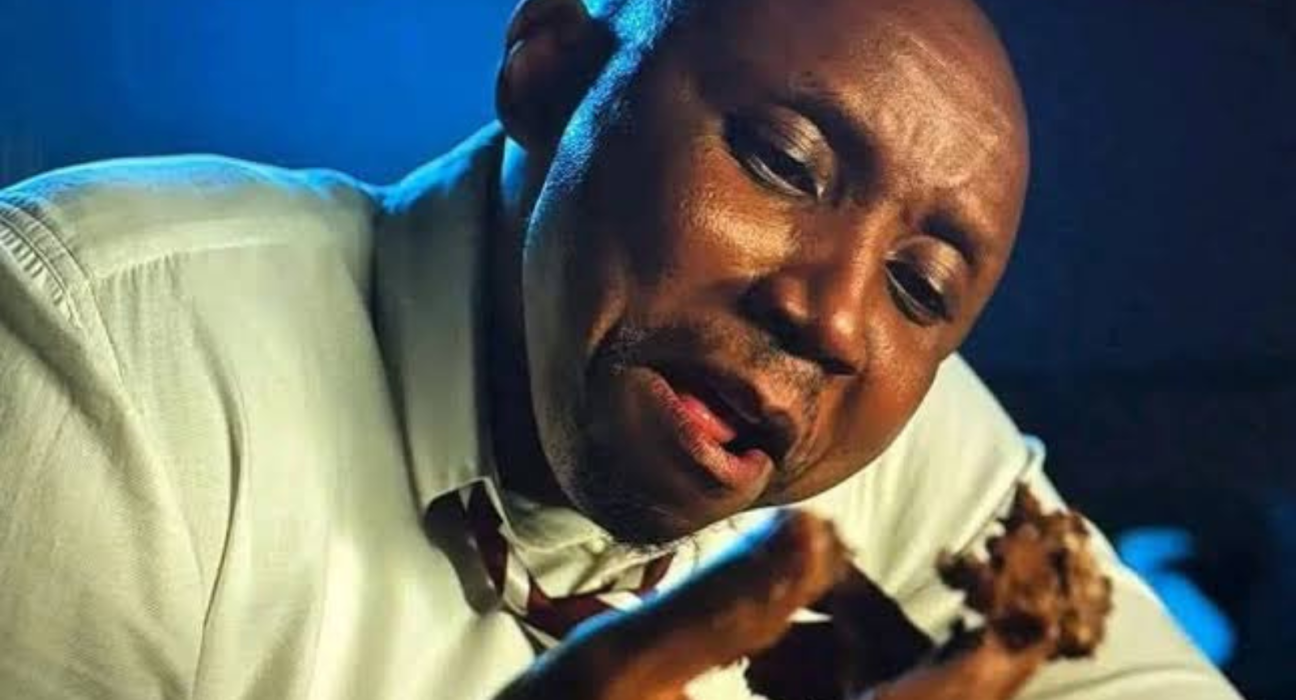
There are television characters you love. There are characters you love to hate. And then there is Jonasi from The Polygamist, a man so frustratingly self-serving that he turns every episode into an exercise in emotional endurance.
Netflix’s South African drama The Polygamist has sparked fierce conversations across the country. On the surface, the series explores the complexities of a polygamous marriage, tradition, power, family and modern relationships. But beneath all the cultural debates lies a far simpler truth: Jonasi is the walking embodiment of unchecked male entitlement.
And that is what makes the show so compelling, and so triggering.

A Man Who Wants the Benefits, Not the Responsibility
One of the biggest frustrations with Jonasi’s character is that he constantly demands understanding while showing very little of it himself.
He wants loyalty. He wants respect. He wants obedience. He wants his wives to accommodate his decisions, support his ambitions and tolerate his mistakes. Yet when those same women ask for honesty, accountability or emotional consideration, Jonasi suddenly becomes defensive, dismissive or manipulative.
The show repeatedly exposes a man who believes leadership means having the final say, rather than carrying the burden of responsibility.
As South Africans, we have seen versions of Jonasi before. Maybe not in polygamous households specifically, but in communities, workplaces and families where some men invoke culture when it suits them and abandon its responsibilities when it doesn’t.
Traditional leadership, at its core, demands sacrifice and wisdom. Jonasi often displays neither.
The Weaponisation of Culture
Perhaps the most uncomfortable aspect of Jonasi’s character is how he appears to use culture as a shield.
Whenever conflict arises, the conversation is frequently redirected towards respect, tradition or maintaining family order. Yet the show cleverly asks viewers an important question: Is Jonasi protecting culture, or is he protecting himself? There is a difference.
Many viewers will find themselves questioning whether certain decisions are genuinely rooted in cultural practice or simply convenient justifications for behaviour that would be unacceptable in any relationship structure.
The brilliance of The Polygamist is that it never directly answers this question. Instead, it allows Jonasi’s actions to speak for themselves. And they speak volumes.
The Women Carry the Show
Ironically, for a series centred around a patriarch, the women are the true stars. While Jonasi spends much of the series creating problems, the women spend their time surviving them.
They navigate heartbreak, insecurity, betrayal, competition and societal expectations with remarkable resilience. Their emotional journeys are richer, more nuanced and ultimately more relatable than Jonasi’s constant attempts to maintain control.
In many ways, The Polygamist becomes less a story about a polygamous husband and more a story about women forced to adapt to the consequences of one man’s decisions. The emotional labour rests almost entirely on their shoulders. And that imbalance is impossible to ignore.
Why Jonasi Triggers So Many South Africans
The reason Jonasi has become such a lightning rod for viewers is because he represents something painfully familiar. He’s not a cartoon villain. He’s not evil in an obvious way. He’s worse. He’s believable.
Many South Africans recognise the patterns: the selective accountability, the double standards, the expectation that women must constantly compromise while men remain insulated from the consequences of their choices.
Jonasi doesn’t merely frustrate audiences because of what he does. He frustrates them because of how often society rewards men who behave exactly like him. That recognition hits close to home.
A Character We Need, Not One We Like
To the show’s credit, Jonasi’s character is not poorly written. In fact, he may be one of the most effective television characters South African streaming has produced in recent years. A poorly written character is forgettable. Jonasi is unforgettable.
Every questionable decision, every self-righteous speech and every act of emotional selfishness fuels discussion long after the credits roll.
Viewers are not talking about him because they admire him. They are talking about him because he exposes uncomfortable truths about power, gender and accountability.
Final Verdict
The Polygamist succeeds because it refuses to romanticise its central figure.
Jonasi may view himself as the head of the household, but the audience increasingly sees him as the source of its dysfunction.
The series asks difficult questions about marriage, masculinity and tradition in contemporary South Africa. Yet its most powerful achievement is forcing viewers to confront a character who continually mistakes authority for integrity.
Jonasi isn’t the hero of this story. He isn’t even its anti-hero. He is a cautionary tale wrapped in charisma, tradition and ego, and that is precisely why The Polygamist is one of the most infuriatingly watchable South African dramas of the year.
Rating: 4/5 stars
Not because Jonasi deserves it, but because the show is brave enough to let us see exactly who he is.
Read More: A New And Exciting Telenovela Is Hitting Your TV Screens In June!