Durban’s New Favourite Gqom Star, Mfanafuthi Buthelezi aka Dankie Boi Takes His Sound To A Whole New Level
BY Zinhlezonke Zikalala
November 27, 2026
Written By: Brooklyn Masuku
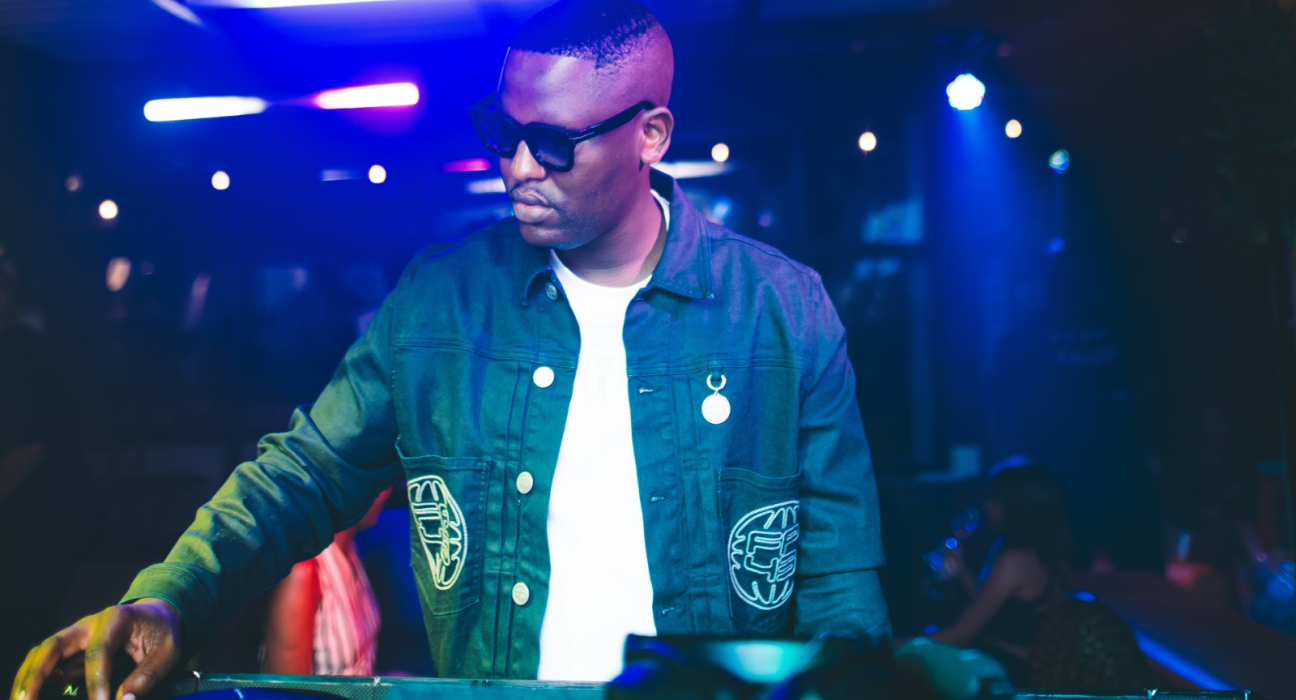
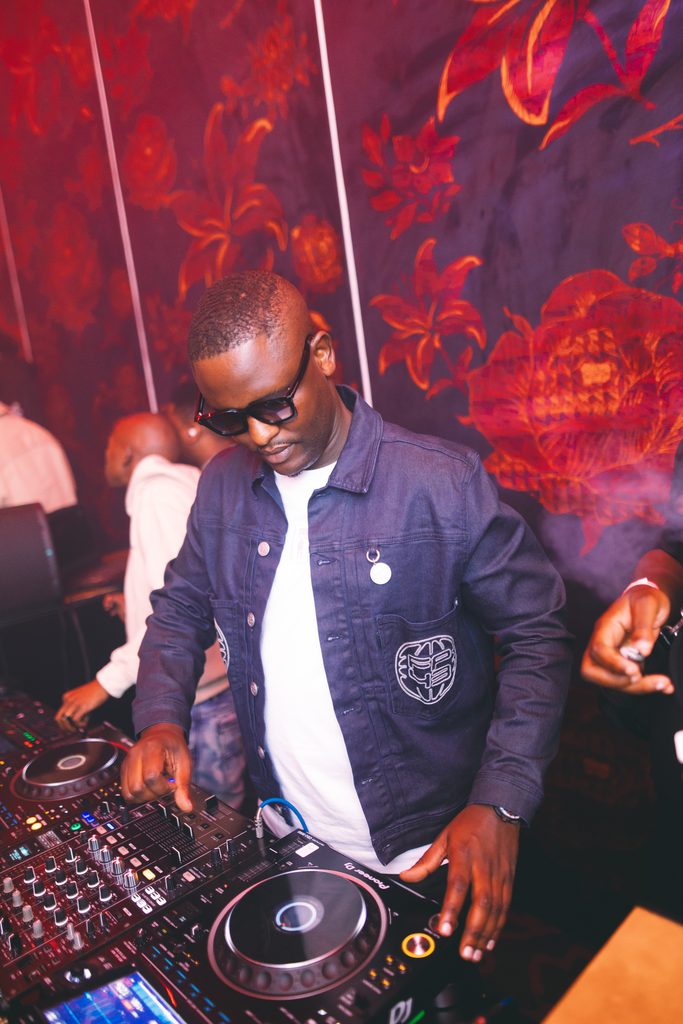
From the streets of Inanda to the forefront of Durban’s evolving Gqom movement, Dankie Boi is building a sound that speaks directly to the dance floor, the culture and a new generation of South African music lovers. With a distinctive production style, an expanding catalogue and an unmistakable connection to the streets, the award-winning producer and DJ is proving that Durban’s next wave of Gqom is in capable hands.
There is something special about the way Dankie Boi creates music. There is an unmistakable character to his production, a certain rhythmic intelligence that makes you want to listen beyond the beat and pay closer attention to the details. In a musical landscape where originality is increasingly important, his techniques are worth studying.
Born Mfanafuthi Buthelezi, the artist professionally known as Dankie Boi is part of a new generation of South African producers and DJs helping shape the sound of contemporary Gqom and Sgubhu. His music carries the unmistakable energy of Durban, but more importantly, it reflects the communities, dance movements and creative environments that continue to give the city its musical identity.
For Dankie Boi, this journey did not begin in a major recording studio or behind the decks at a prestigious festival. It began in Inanda, KwaZulu-Natal, a township where music, dance, street culture and home-studio creativity are woven into everyday life.
It is here that the foundations of his sound were formed.
From Inanda, With Rhythm
Growing up in Inanda exposed Dankie Boi to a vibrant musical environment, one where sound is not simply something people listen to, but something they experience, interpret and express through movement. From neighbourhood gatherings and informal dance sessions to the sounds travelling through taxis and community events, music was part of the atmosphere that surrounded him.
His interest in music developed during his teenage years, when he began experimenting with production software and creating beats for local dancers and vocalists. What started as curiosity gradually became a serious creative pursuit.
Before mainstream streaming platforms and wider industry recognition entered the picture, his early productions were already finding their way into the community. His music circulated through neighbourhood events, taxis and informal parties, giving him an opportunity to understand how audiences responded to his sound.
That grassroots connection would become one of his greatest creative assets.
The Producer Behind The Movement
One of the defining characteristics of Dankie Boi’s artistry is his understanding of the relationship between music and dance.
His productions capture the energy of township choreography and the ever-changing dance trends emerging from South African communities. This connection has helped his releases travel beyond traditional music-discovery channels, finding audiences through social media challenges, dance videos and community-led entertainment.
There is a particular kind of cultural influence that cannot be manufactured in a studio. It develops through participation, observation and an understanding of the people who give music its meaning. Dankie Boi’s journey through dancing, deejaying and eventually producing has allowed him to approach music from multiple perspectives.
He understands the beat from the producer’s chair, but he also understands how it feels when the music reaches the dance floor.
For an artist whose work is so closely connected to movement, the intention behind the music remains simple.
“I want to create music that makes people feel alive.”
The Influences That Shaped The Sound
Every distinctive sound has a story behind it, and Dankie Boi’s musical identity has been influenced by some of the names that helped establish and expand Gqom’s presence in South Africa.
DJ Tira stands out as an important figure in his journey, not only as a musical influence, but as an example of what can be achieved through commitment to the local music industry. Seeing someone from the same broader musical landscape build a respected career helped him recognise that there was room for his own ambitions.
His influences also include celebrated South African artists and producers such as DJ Sox, DJ Lag and Sbucardo, whose individual contributions have helped shape the broader Gqom soundscape.
Rather than simply reproduce what came before him, Dankie Boi draws from these influences while remaining committed to developing a sound that feels distinctly his own.
“In terms of my music, I focus on originality and crafting music that feels fresh but still connects to the streets and the culture I come from.”
That balance — between innovation and cultural authenticity — is central to his identity. His sound is recognisable without being confined to a single formula, allowing him to explore the possibilities of Gqom while maintaining a strong connection to its roots.
From The Streets To Big Stages
As his profile continues to grow, Dankie Boi’s performances have taken him beyond the neighbourhood spaces where his musical journey began.
His performance history includes local Durban events and his own Dankie Gqom Fest, alongside showcases such as the Bushfire Secret Stage and Africa Is Not A Jungle. His journey has also extended beyond South Africa, with international performances in Nairobi, Kenya.
These experiences represent an important part of his development as a performer. Moving between community-based events, major showcases and international stages gives an artist the opportunity to introduce their sound to different audiences while carrying the identity of their hometown into new spaces.
For Dankie Boi, Durban remains central to that identity. The city’s musical culture is not simply a point of origin; it is an ongoing source of inspiration and a creative environment that continues to influence his work.
His growing presence also reflects the wider evolution of Gqom, a genre that continues to find new expressions through emerging producers, DJs, dancers and collaborators.
The Million-Stream Moment: ‘Wo Lo”
One of the significant milestones in Dankie Boi’s recent journey is his involvement in “Wo Lo,” a Gqom single released through Universal Music South Africa.
Featuring Mihlali The Guy, Mr Thela and Cairo CPT alongside Dankie Boi, the record has surpassed one million streams and reached No. 5 on Apple Music’s Top 100: South Africa.
The achievement represents an important moment for the artist and the wider Gqom movement. It demonstrates the continued appetite for locally produced dance music and the ability of Durban’s sound to compete for attention on national streaming platforms.
For Dankie Boi, the record also places his production and artistry within a broader conversation about the future of South African dance music.
Fashion As An Identity
For Dankie Boi, the creative expression does not end when the music stops.
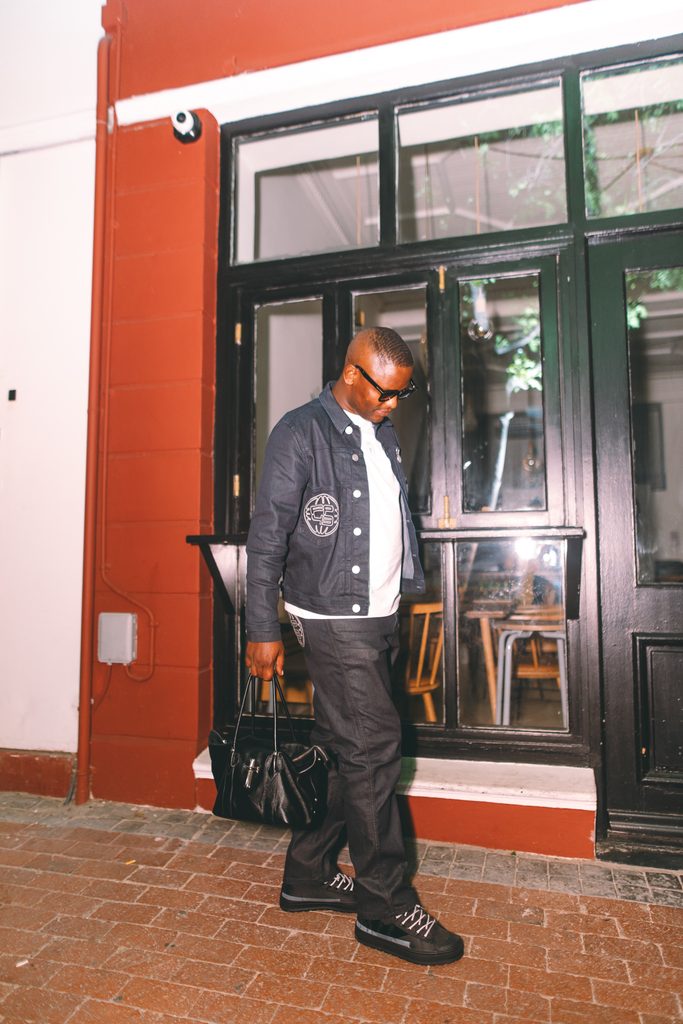
His personal style reflects the raw, expressive energy of Gqom and the streetwear culture that has long been associated with Durban’s dance music community. Fashion, much like music, becomes another way of communicating identity, personality and belonging.
“Fashion is an extension of my music,” he says, emphasising that every outfit tells a story and forms part of the experience he presents to his audience.
“Fashion is an extension of my music,”
– Dankie Boi
This approach is reflected in his fashionable collaboration with Sergeant Pepper Clothing Company (S.P.C.C), a label with a strong presence in South African urban and township fashion scenes, including Durban’s Gqom and street-dance culture.
The relationship between music and fashion has always been significant within youth culture. From the way artists present themselves on stage to the styles adopted by dancers and fans, visual identity often becomes part of the movement itself.
For Dankie Boi, the look complements the sound. Both are expressions of the environment that shaped him.
The Future Sounds Like Durban
In a city that has consistently produced influential voices in South African dance music, standing out requires more than a memorable beat. It requires an understanding of culture, an appreciation for the people who sustain the movement and the determination to keep creating.
Dankie Boi’s journey is a reminder that some of the most compelling musical stories begin in local communities, long before they reach national platforms. His foundation in Inanda, his early experiences with dancers and vocalists, his evolution as a producer and his growing presence on major stages have all contributed to the artist audiences are discovering today.
He is part of a generation that is not simply inheriting Gqom’s legacy but actively contributing to its next chapter.
And perhaps that is what makes his approach so interesting. There is a clear connection between where he comes from, what he creates and how people experience his music. His productions carry the energy of the streets, the spirit of Durban and an understanding that dance music is ultimately about bringing people together.
Mfanafuthi Buthelezi may be the name on his birth certificate, but Dankie Boi is the name increasingly finding its way into conversations about Durban’s new wave of Gqom.
The journey is still unfolding. The sound is still evolving. And with Malume Way Vol. 2 on the horizon, one thing is certain: Dankie Boi is not simply making music for the moment, he is contributing to the soundtrack of a movement.
This is Dankie Boi. This is Durban’s new wave. And the story is only getting louder because uBoi iskhokho eDurban!