
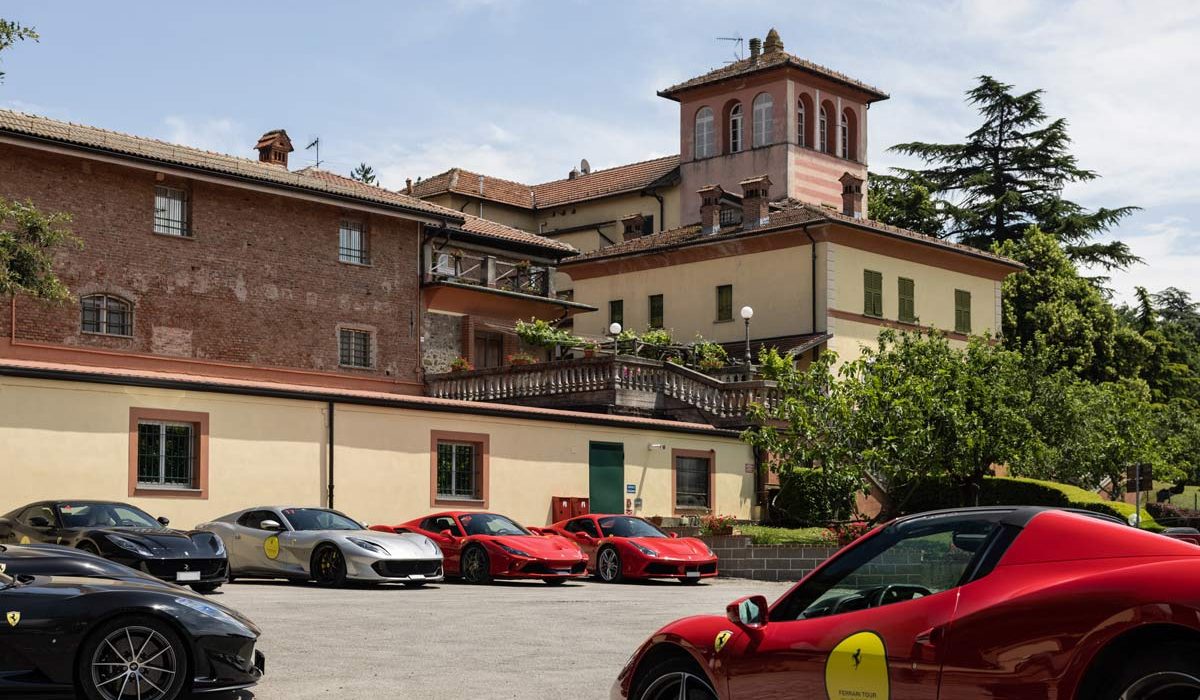
For Ferrari enthusiasts, few experiences compare to being surrounded by the legacy of the Prancing Horse. ZYN offers exactly that, a curated space where iconic Ferrari models, heritage and the thrill of Italian engineering converge. I, as the Lifestyle editor of Sibizi Magazine visited this Ferrari haven to see whether the experience truly lives up to the hype.
Italy does not announce itself; it unfolds. The train into Maranello moved like a patient ribbon through fields the colour of pressed olives, past farmhouses that looked older than countries, and laundry lifting lazily from wrought-iron balconies. By the time the first Ferrari banners appeared along the road, the landscape had already done its seduction. Work, I reminded myself, had brought me here – yet Italy has a talent for blurring the line between assignment and a dream.
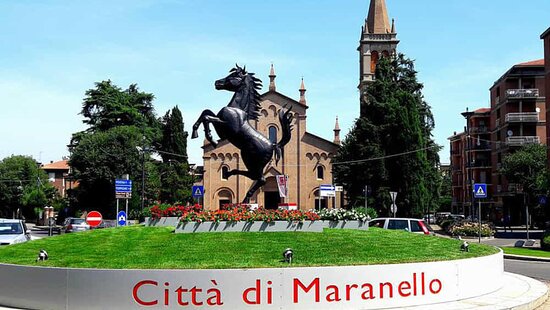
The Ferrari Museum sits like a crimson heartbeat in the town of Maranello. Outside, tourists posed beneath the prancing horse as if greeting royalty; inside, engines rested under soft lights like disciplined predators. I walked through halls that smelled faintly of polished metal and espresso drifting in from the café next door. Each car told a different chapter of speed – victories, crashes, comebacks – a metallic opera composed over decades.
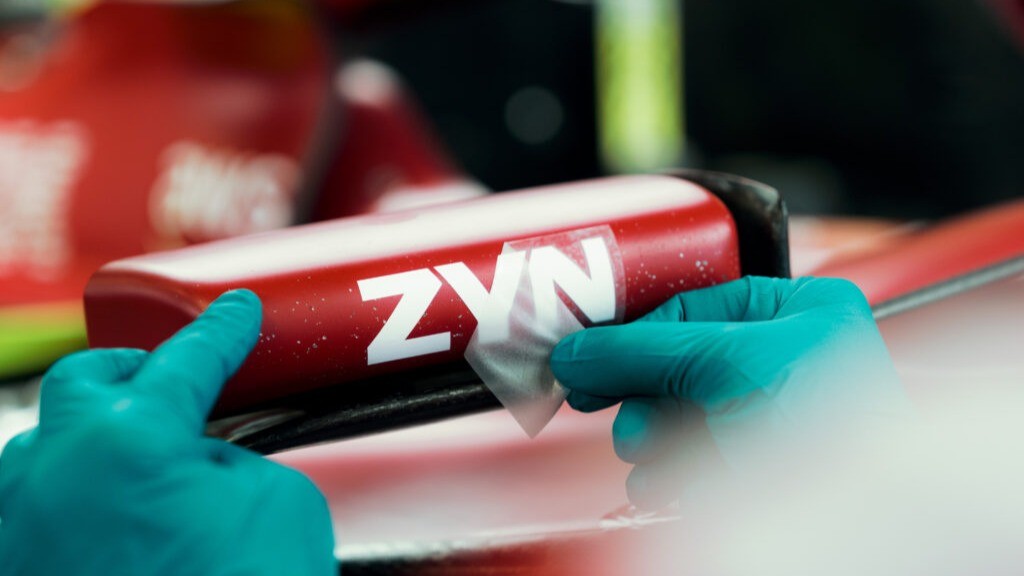
I had come because another chapter was being written. Philip Morris International had announced an expanded partnership with Scuderia Ferrari HP, introducing ZYN nicotine pouch branding to selected Formula 1 races beginning with the Abu Dhabi Grand Prix in 2025. The companies described it as a bold new era in a relationship more than fifty years old, a shift from the cigarette-stained history of motorsport toward the language of smoke-free alternatives. Innovation, responsibility, progress – the words arrived
polished, like the cars downstairs.
A Day Shaped Like A Race
The programme unfolded with the precision of a carefully planned pit strategy. After registration and check-in, guests were given free time to breathe in Maranello before a dedicated transfer carried us to the legendary Montana Restaurant, where dinner was served in a room decorated with decades of racing memories – helmets signed in silver ink, photographs of champions mid-celebration, the low hum of stories older than most of us at the table.
The afternoon belonged to the theatre of speed. We stepped into a pit-stop experience beside a Ferrari Formula 1 replica car, watching mechanics demonstrate the choreography of tyre changes while journalists fumbled with wheel guns, discovering how heavy victory can feel in the hands. The conversation then turned serious in the Museum’s Convention room, where the PMI media panel laid out the ambitions behind the renewed partnership.
A photo session with the replica car softened the formality before the one-to-one interviews began, allowing for more personal and probing exchanges. An aperitif in the Simulators room offered a playful interlude – some guests climbed into F1 simulators and chased digital lap times while others compared notes over spritz.
The evening continued with a guided walk through the Museum itself, moving like a quiet procession past trophies and scarlet machines. The visit ended in the revered Sala delle Vittorie, where a closing dinner was served, after which guests returned to their hotels with conversations still circling like engines cooling after a long run. The following morning brought check-out and departures, the schedule reminding us that even in Italy, dreams keep appointments.
The Debate Behind The Beauty
The panel discussions carried corporate confidence. Executives spoke of adult consumers, scientific pathways and the ambition to replace cigarettes altogether. PMI insists its marketing will be responsible, aimed only at legal-age audiences, presenting ZYN as an alternative for those who would otherwise continue to smoke. Ferrari, for its part, framed the collaboration as a partnership rooted in innovation and continuous improvement. Yet outside the conference room, the real Italy continued its ordinary theatre: a delivery man arguing cheerfully with a barista, schoolchildren chasing one another around a fountain, church bells slicing the afternoon into gentle pieces. I wondered how many of them knew that decisions made in this building would soon travel the world on a car moving at 300 kilometres an hour.
The partnership has stirred admiration and unease in equal measure. Supporters see a company attempting to reinvent itself; critics hear echoes of sponsorships that once painted Formula 1 in nicotine red. Italy, with its genius for holding contradictions without panic, seemed an appropriate stage for the argument.
Leaving Maranello
Later, I walked through the town under lamps shaped like small moons. The streets smelled of espresso and winter oranges; somewhere a test engine growled like a distant thunderstorm. Travel stories are rarely only about places – they are about the ideas that borrow those places for a moment. In Maranello, the idea was reinvention, racing beside memory at impossible speed. The assignment will become paragraphs and headlines, but what will remain is the glow of Ferrari red at dusk, the echo of careful corporate sentences inside a museum built for legends, and the awareness that in Italy even business learns to speak with poetry.